World · India Bureau
Dog vaccination offers more promise than child PrEP for rabies control in Kerala
A comprehensive approach centred on canine immunisation could reduce rabies deaths by 83 per cent in Kerala, research suggests. The strategy prioritises dog vaccination alongside improved post-exposure prophylaxis and closing treatment gaps.
LSN India ·
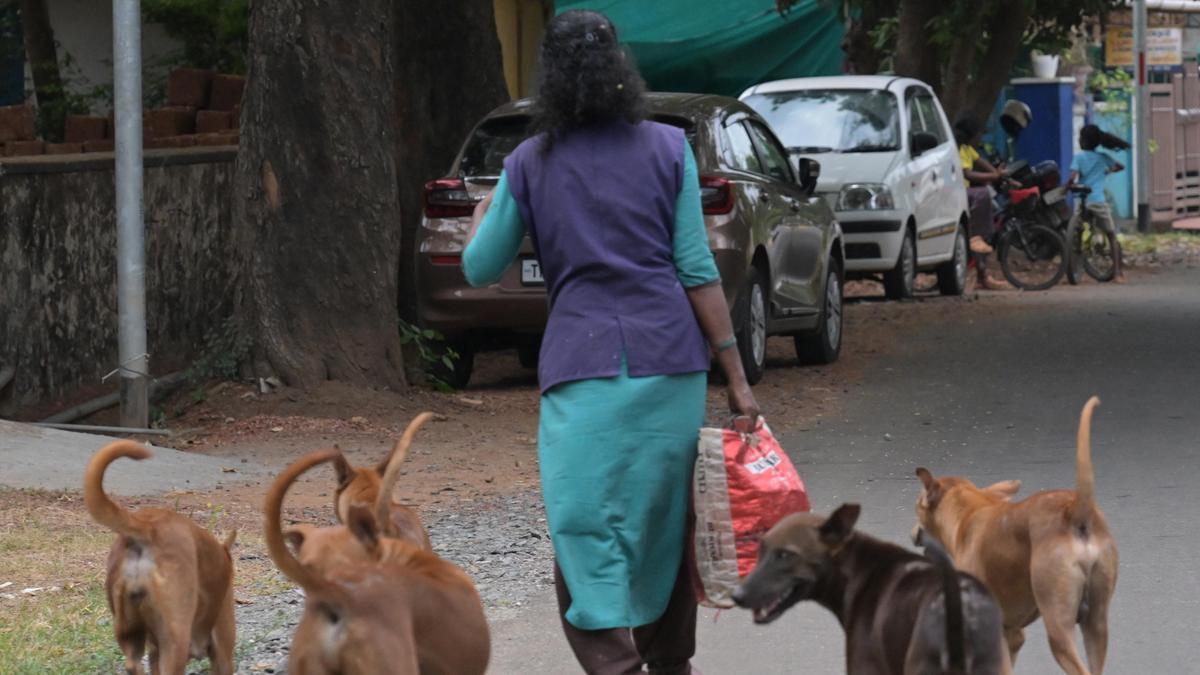
Researchers have identified a potentially more effective pathway to controlling rabies in Kerala than current public health strategies, with findings suggesting that prioritising dog vaccination could yield substantially better outcomes.
The study indicates that a multi-pronged approach combining systematic vaccination of dogs with enhanced post-bite treatment protocols and efforts to eliminate gaps in post-exposure prophylaxis (PEP) administration could reduce rabies-related fatalities by as much as 83 per cent. This represents a marked improvement over existing intervention models.
Rabies remains a significant public health challenge across India, with Kerala reporting persistent cases despite being among the country's more developed states. The disease is typically transmitted to humans through bites from infected animals, with dogs accounting for up to 99 per cent of human deaths in Asia according to health authorities.
The research underscores that interrupting transmission at the animal stage—through widespread dog vaccination programmes—may prove more efficient and cost-effective than approaches focused solely on human post-exposure intervention. Experts emphasise that comprehensive implementation requires coordinated efforts involving veterinary services, public health systems, and community engagement to achieve meaningful coverage of canine populations.
The findings come as health officials across India continue evaluating strategies to meet WHO targets for eliminating rabies as a public health threat, with dog vaccination remaining a cornerstone recommendation in disease control frameworks.