Business · Vietnam Bureau
Dong Thap transforms traditional Mekong practices into eco-tourism draws
Dong Thap province is capitalizing on its agricultural heritage and seasonal rhythms to develop authentic tourism experiences. Traditional fishing methods and seasonal activities are evolving into key attractions for visitors seeking genuine delta culture.
LSN Vietnam ·
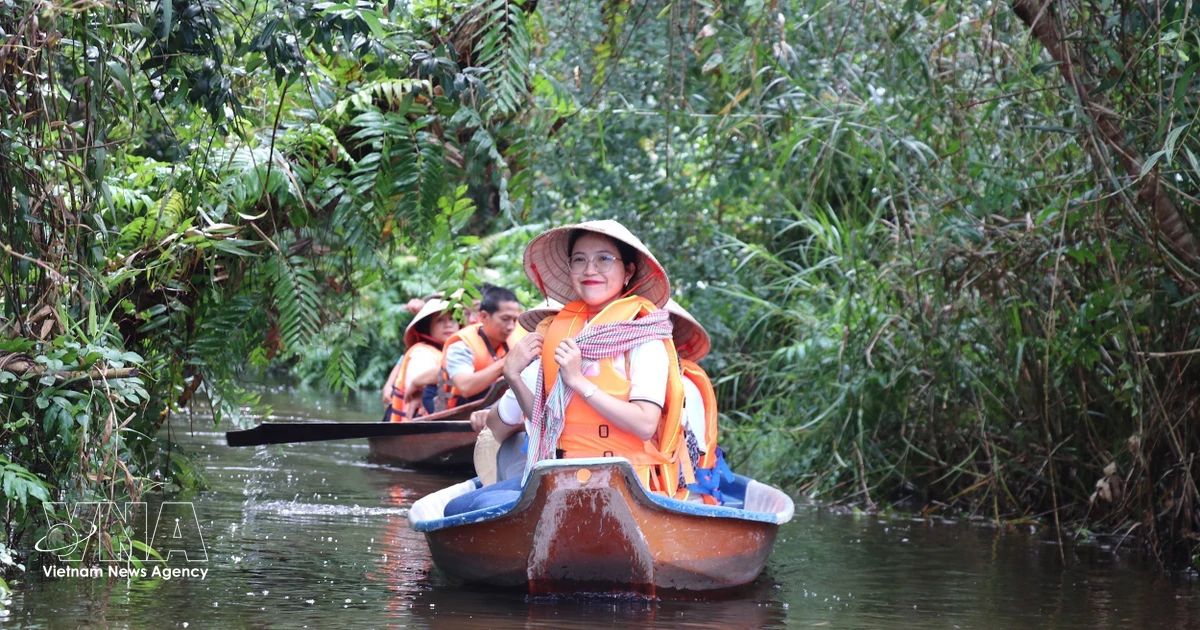
Dong Thap's tourism sector is increasingly centered on preserving and showcasing the region's time-honored relationship with the Mekong Delta environment. For centuries, local communities have synchronized their livelihoods with natural water cycles, employing conventional fishing techniques and agricultural practices that remain largely unchanged. These established methods are now being formalized into organized eco-tourism offerings that allow visitors direct access to authentic delta life. The transition reflects a broader strategy to diversify provincial income streams while maintaining cultural continuity.
Seasonal activities such as straw rolling have gained particular prominence as tourism draws, providing both supplementary income for residents and experiential opportunities for travelers. These labor-intensive processes, once purely subsistence activities, now serve dual purposes within the emerging tourism economy. Similarly, traditional fishing demonstrations and river-based activities offer visitors insight into centuries-old practices that define Mekong life.
The development of eco-tourism in Dong Thap represents a shift toward sustainable development models that value cultural preservation alongside economic growth. By positioning traditional knowledge and practices as tourism assets, the province creates incentives for younger generations to maintain heritage skills while generating employment opportunities. This approach aligns with broader regional efforts to develop tourism products that distinguish Southeast Asian destinations through authenticity rather than commodification.