World · World News Bureau
Dormant viruses in human body may unlock long COVID mystery
Scientists are investigating whether latent viruses reactivated during coronavirus infection could explain the prolonged symptoms afflicting millions of long COVID patients. Researchers suggest dormant pathogens harbored in the body may play a role in the debilitating condition's development.
LSN World News ·
Medical researchers are examining a novel hypothesis about long COVID's underlying causes: dormant viruses present in most people's bodies may reactivate following severe coronavirus infection, potentially triggering the persistent symptoms that define the condition.
The human body typically harbors multiple latent viruses accumulated over a lifetime, including cytomegalovirus, Epstein-Barr virus, and others that remain inactive under normal circumstances. However, emerging evidence suggests that acute COVID-19 infection may disrupt immune system function in ways that allow these dormant pathogens to reawaken.
When reactivated, these viruses could contribute to the chronic inflammation and immune dysregulation observed in long COVID patients, researchers theorize. The condition affects millions worldwide, causing debilitating fatigue, cognitive impairment, and other symptoms that can persist for months or years following initial infection.
Scientists emphasize that this remains an area of active investigation, with researchers working to understand the precise mechanisms by which viral reactivation might occur and whether it represents a primary driver of long COVID symptoms. If validated, the findings could reshape treatment approaches and help distinguish long COVID from other post-viral conditions.
The research represents one of multiple parallel efforts to uncover long COVID's biological basis, as the condition continues to challenge medical understanding and affect quality of life for millions of patients globally.
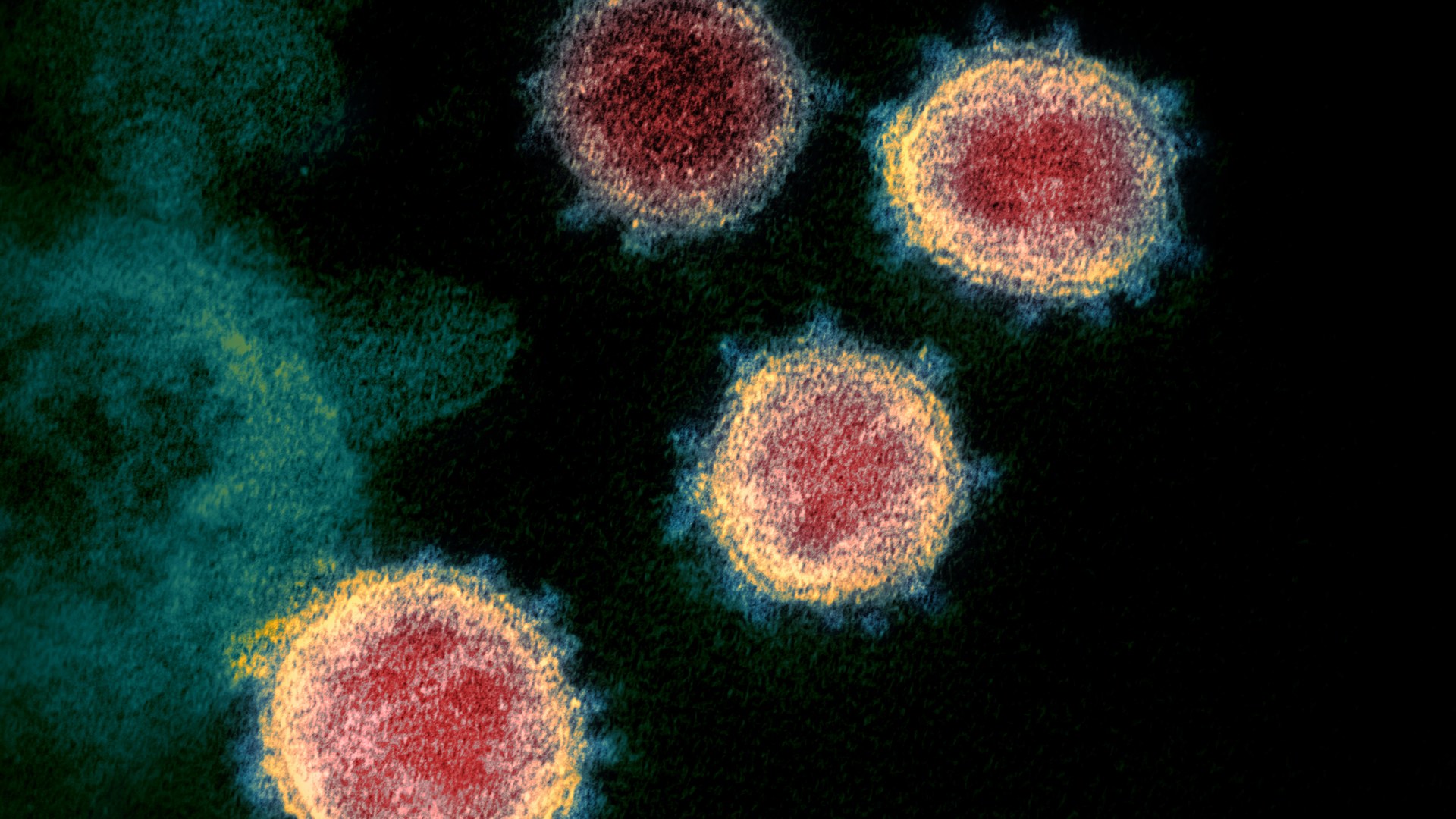
Photo: Colourised transmission electron micrograph of SARS-CoV-2, the virus that causes COVID-19, isolated from a patient. NIAID Rocky Mountain Laboratories via Wikimedia Commons (CC BY 2.0).