Politics · World News Bureau
DRC's constitutional reforms spark succession struggle ahead of 2028
President Félix Tshisekedi's push for constitutional changes has ignited a political battle in the Democratic Republic of Congo over the rules governing the 2028 presidential election. The proposed reforms threaten to reshape the competitive landscape as the country prepares for the next vote.
LSN World News ·
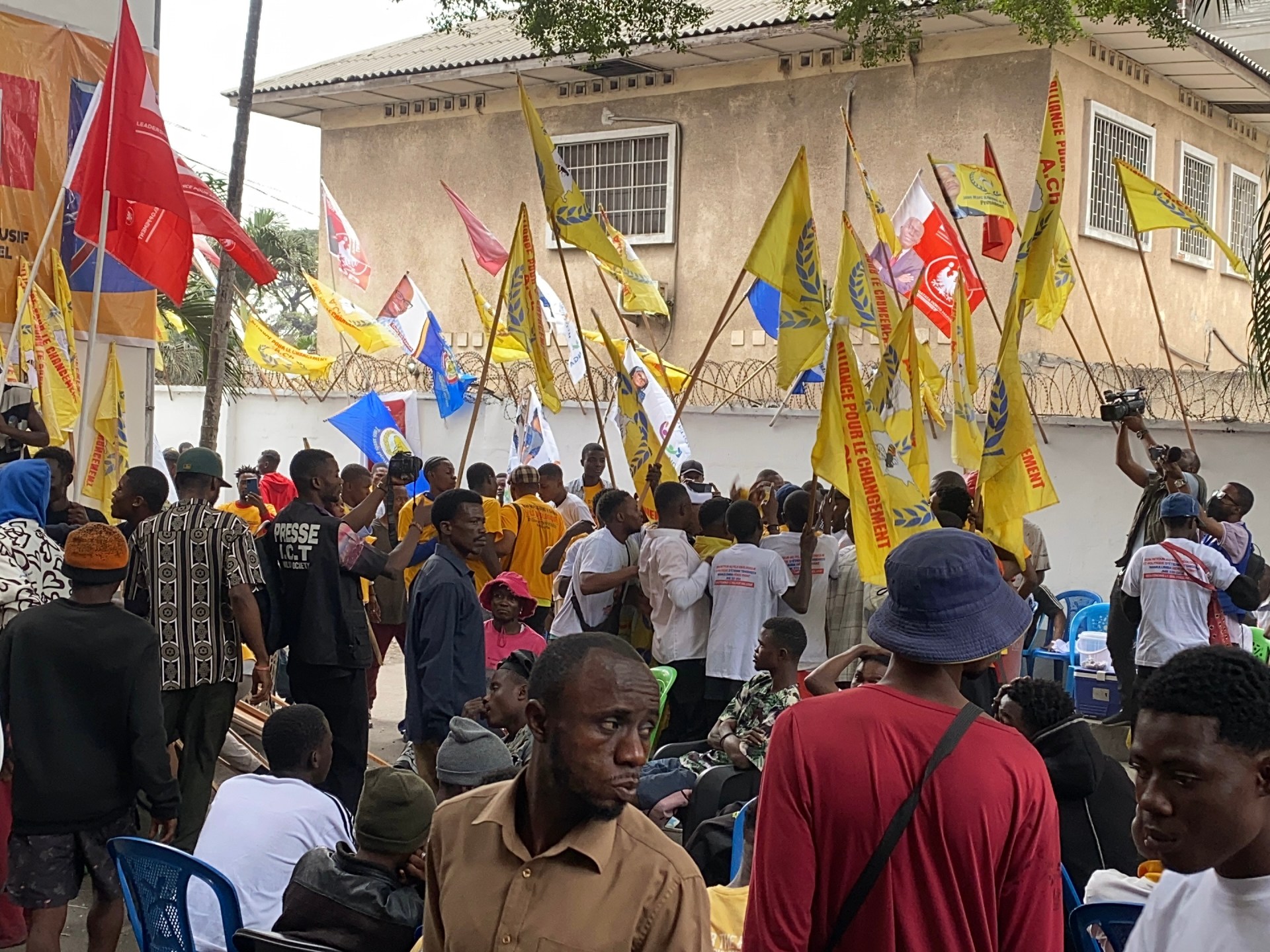
The Democratic Republic of Congo faces mounting political tensions as President Félix Tshisekedi pursues constitutional reforms that could fundamentally alter the country's electoral framework ahead of the 2028 presidential race. The proposed changes have become a flashpoint in Kinshasa's political arena, with various factions competing to influence how the succession will unfold.
Tshisekedi's reform agenda has galvanized opposition from multiple quarters, each seeking to protect their interests in the anticipated succession contest. Political analysts warn that the constitutional battles now unfolding could have far-reaching implications for democratic institutions and the stability of Africa's second-largest nation by area.
The stakes of the dispute extend beyond procedural matters, touching on fundamental questions about presidential powers, term limits, and the mechanisms for selecting the country's next leader. As negotiations continue in the capital, observers note that the outcome will likely determine which political forces maintain influence in the post-Tshisekedi era.
The constitutional wrangling underscores persistent vulnerabilities in Congo's democratic institutions and the personalized nature of Congolese politics, where succession questions frequently trigger broader institutional crises. Whether the competing interests can reach consensus on electoral rules before 2028 remains uncertain.