World · India Bureau
Dried Ridge Gourd Exports Offer Lucrative Income for Farmers
Farmers across South Asia are discovering significant profit opportunities by drying and exporting ridge gourd, a traditional vegetable, to international markets. The emerging trade is attracting attention as a viable value-addition enterprise for agricultural communities.
LSN India ·
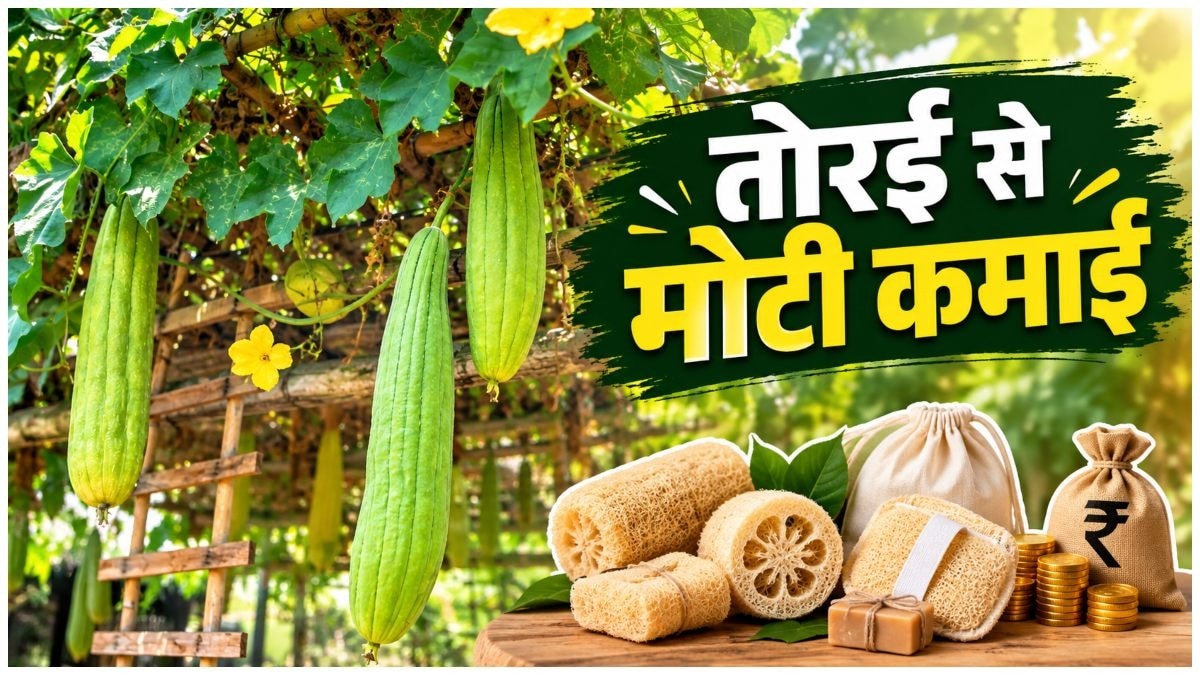
Ridge gourd, commonly known as turai or luffa in India, has emerged as an unexpected source of income for farmers who process and export the dried vegetable to overseas markets. The practice involves harvesting mature gourds, drying them under controlled conditions, and preparing them for international sale, where they command premium prices.
International buyers have shown growing interest in dried ridge gourd for various applications, including natural sponges, cosmetic products, and traditional medicinal preparations. This demand has created profitable export opportunities for farmers willing to adopt value-addition techniques and meet quality standards required by global buyers.
The economics of dried ridge gourd production are attractive compared to selling fresh produce. Drying significantly reduces weight and volume, making transportation more cost-effective, while extending shelf life and reducing spoilage losses. Farmers report earning substantially higher returns through this processing method than through conventional fresh vegetable sales.
To capitalize on this opportunity, farmers must ensure proper harvesting at optimal maturity, implement hygiene standards during drying and storage, and obtain necessary certifications for export markets. Agricultural extension services in several Indian states have begun promoting ridge gourd drying as part of farmer income-enhancement programs, providing training and market linkage support to interested cultivators.