World · India Bureau
Drought Forces Bears Into Urban Areas; Wildlife Officials Warn of Rising Human Encounters
Severe drought conditions are driving bears into towns and residential areas across North America, with authorities reporting record numbers of sightings and property intrusions. Conservation experts are urging residents to eliminate food sources to prevent potentially dangerous wildlife encounters.
LSN India ·
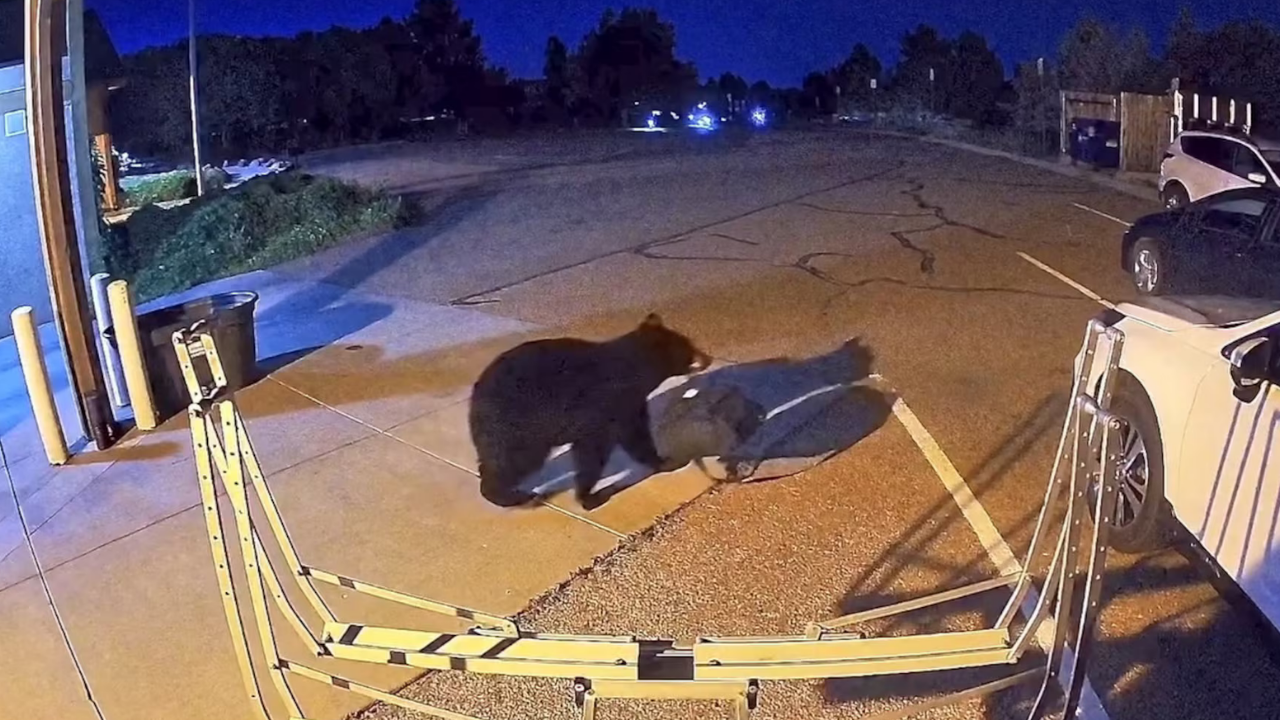
Wildlife officials are grappling with an unprecedented surge in bear-human conflicts as prolonged drought conditions push the animals into populated areas in search of food. Colorado has recorded over 7,000 bear sightings this year—the highest number on record—as the animals venture into homes, commercial establishments, and neighborhood streets foraging for sustenance.
The crisis reflects the mounting pressure on wildlife habitats caused by climate-driven drought combined with ongoing urban expansion. As natural food sources dwindle in wilderness areas, bears are increasingly attracted to human settlements where garbage, food waste, and household supplies provide easier foraging opportunities. Residents in affected regions have reported bears breaking into homes and raiding shops, creating safety hazards for both humans and wildlife.
Conservation authorities are emphasizing preventative measures to reduce encounters and mitigate the risk of fatal conflicts. Officials stress that securing food sources—including garbage containers, pet food, and unsecured pantries—is critical to discouraging bears from approaching residential areas. Wildlife experts have also cautioned residents against deliberately feeding bears, a practice that can habituate animals to human presence and increase the likelihood of dangerous interactions.
The surge in bear encroachments underscores the complex relationship between environmental change, wildlife management, and human settlement patterns. As drought conditions persist in various regions, wildlife agencies are calling for coordinated efforts between communities and conservation bodies to implement habitat protection strategies while educating the public on coexisting safely with wildlife.