World · India Bureau
Drug regulator may tighten controls on closed pharma unit machinery
The Drugs Consultative Committee has sought detailed proposals from Rajasthan following concerns that equipment from shuttered pharmaceutical facilities could be diverted to produce counterfeit medicines. The move signals potential new guidelines for machinery disposal at non-compliant units across India.
LSN India ·
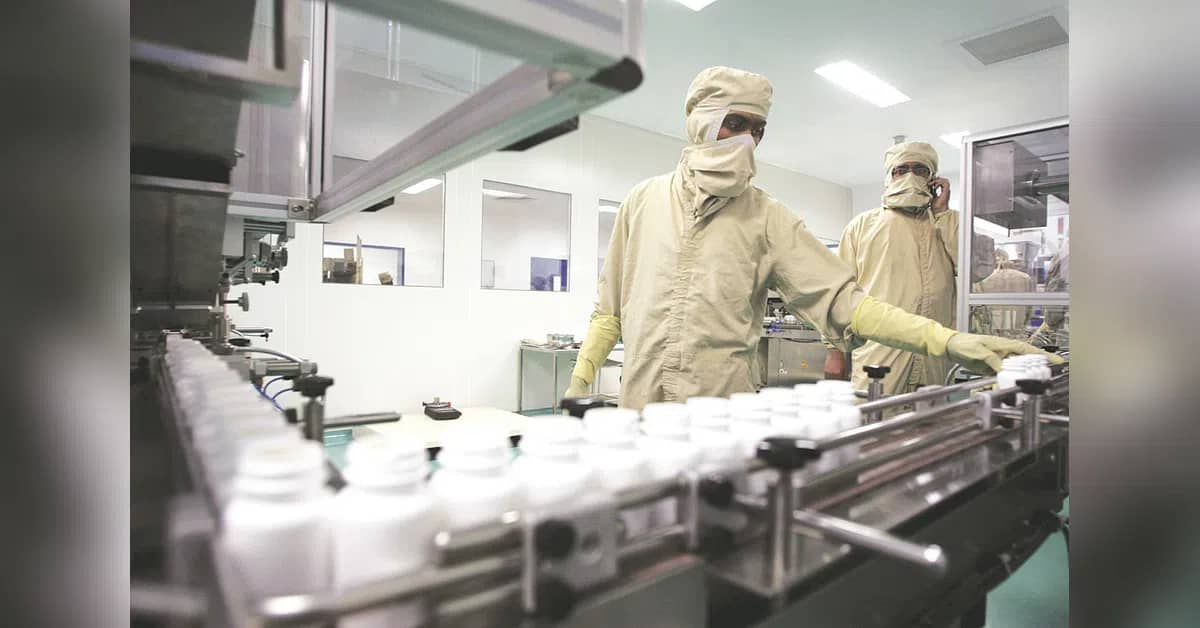
India's drug regulatory authorities are considering stricter oversight of machinery disposal at pharmaceutical units that have been shut down for non-compliance, amid growing concerns over the diversion of equipment for illicit drug manufacturing. The Drugs Consultative Committee has requested a comprehensive proposal from the Rajasthan drug regulator detailing how shuttered pharma facilities should handle their machinery and equipment.
The concern centres on the risk that equipment from closed non-compliant units could be channelled into underground operations producing spurious and substandard drugs. Such diversions have long been identified as a vulnerability in India's pharmaceutical supply chain, with regulatory gaps allowing equipment to move between facilities without adequate tracking or oversight.
Rajasthan, home to a significant number of pharmaceutical manufacturing units, has been tasked with developing a framework that would govern the disposal, sale, or dismantling of machinery at plants ordered to cease operations. The proposal is expected to address documentation requirements, verification procedures, and mechanisms to prevent equipment from reaching unauthorised manufacturers.
The consultative committee's intervention suggests the central regulatory authority may move towards establishing standardised guidelines for machinery disposal across all states. Such measures could include mandatory registries of equipment, third-party audits of disposal processes, and coordination between state drug authorities and law enforcement agencies to track high-risk assets.