Politics · India Bureau
Dual custodianship marks Gandhi's Porbandar legacy sites
India's two principal memorials to Mahatma Gandhi in his birthplace of Porbandar operate under separate administrative frameworks, with the Archaeological Survey of India overseeing his childhood home while a state committee manages the adjacent Kirti Mandir shrine.
LSN India ·
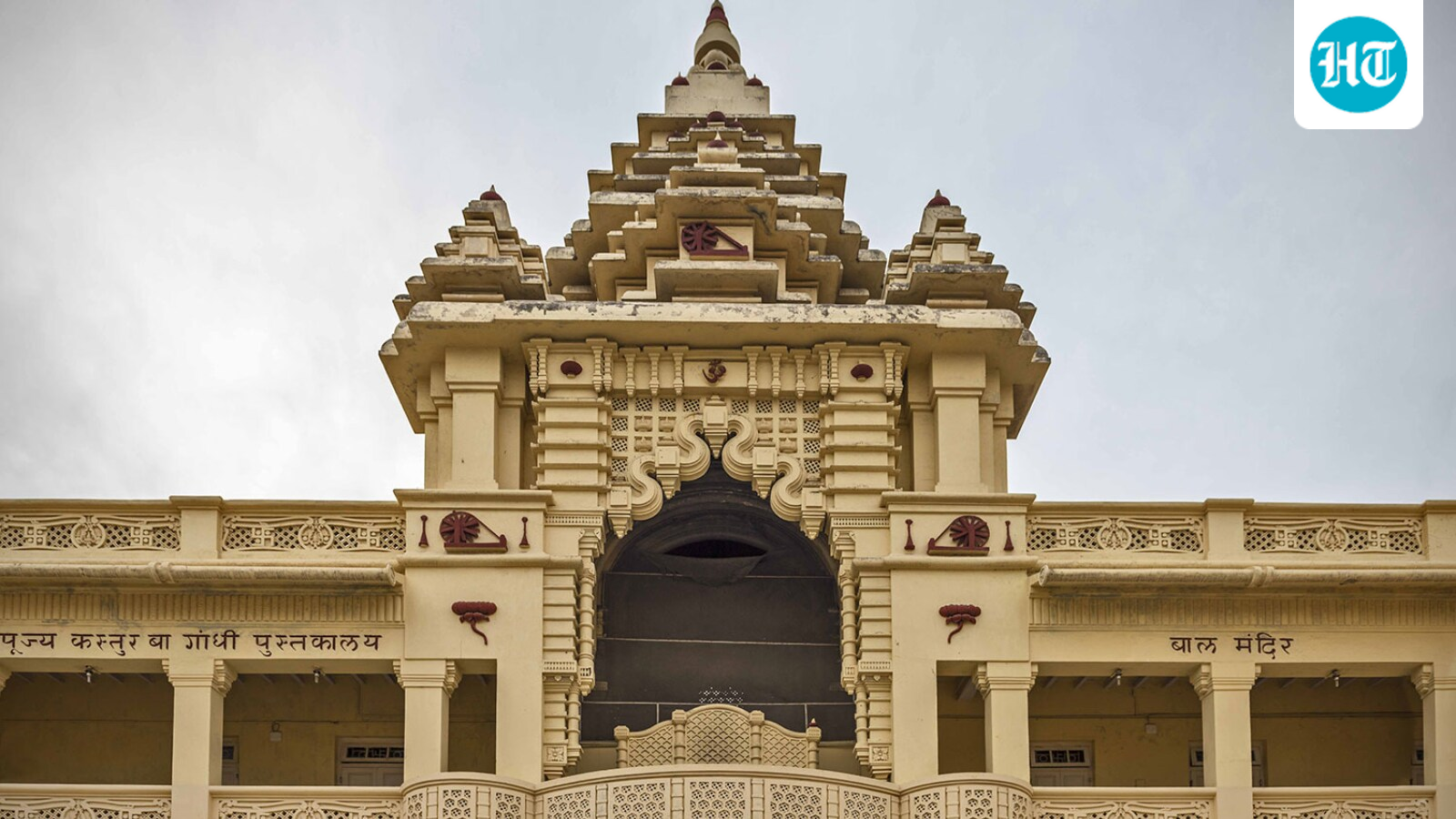
The twin landmarks dedicated to Mohandas Karamchand Gandhi in Gujarat's coastal town reflect a divided stewardship that has defined their preservation and public access for decades. Gandhi's birthplace, a modest structure where the independence leader spent his formative years, falls under the jurisdiction of the Archaeological Survey of India, the central government agency responsible for the nation's most significant heritage sites. The arrangement ensures the historic residence maintains standards consistent with national conservation protocols. Meanwhile, the Kirti Mandir memorial, constructed to honour Gandhi's memory and philosophy, operates under a different administrative hierarchy managed through a committee appointed by the state government. This two-tiered governance structure has allowed both institutions to function independently while sharing the responsibility of interpreting Gandhi's life and legacy to the approximately 150,000 visitors who arrive annually. The dual-custodianship model reflects broader patterns in India's heritage management, where significant historical sites are often distributed across multiple agencies based on their designation and historical importance. Together, the birthplace and memorial create a comprehensive narrative of Gandhi's early influences and enduring impact on Indian and world history, attracting scholars, pilgrims, and tourists seeking connection to the life of the nation's pre-eminent freedom fighter.