Technology · India Bureau
Dual farming model could boost India's food and renewable energy output
Israeli officials are promoting agrivoltaics—the practice of combining agricultural production with solar power generation on the same land—as a potential solution to India's energy and food security challenges. The innovative approach allows farmers to maximize land productivity while contributing to renewable energy targets.
LSN India ·
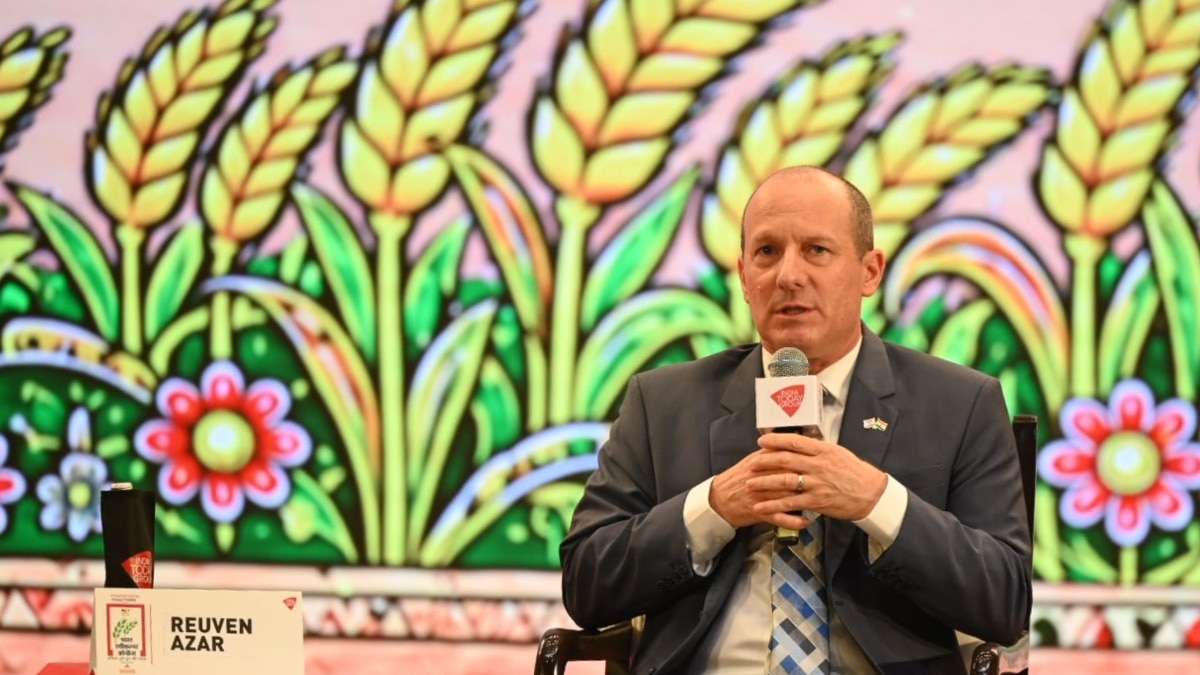
India is exploring the integration of solar power infrastructure with conventional farming practices, a technique known as agrivoltaics, according to discussions with Israeli agricultural experts. The dual-use approach positions solar panels above crops, enabling land to serve both food production and clean energy generation simultaneously.
Proponents of the model argue it addresses a persistent challenge in India's development strategy: balancing the expansion of renewable energy capacity with agricultural output and food security. By utilizing the same acreage for both purposes, the approach could reduce pressure on land use while contributing to India's climate and energy targets.
Israeli officials, drawing on their country's experience with resource-constrained farming, have begun sharing technical expertise on implementing agrivoltaics in the Indian context. The system's effectiveness depends on factors including crop selection, panel height, and regional climate conditions, requiring adaptation to local farming practices and geographical variations across India.
While agrivoltaics remains relatively nascent in India, agricultural scientists and renewable energy experts have expressed interest in pilot projects to assess viability and economic returns. Successful implementation could demonstrate how emerging economies can address competing demands for land while meeting sustainability objectives.