World · World News Bureau
Dual US carrier deployment strains naval resources amid Middle East tensions
The United States has concentrated two carrier strike groups in the Middle East, marking a significant display of military presence in the volatile region. The deployment reflects growing demands on American naval forces amid multiple global security concerns.
LSN World News ·
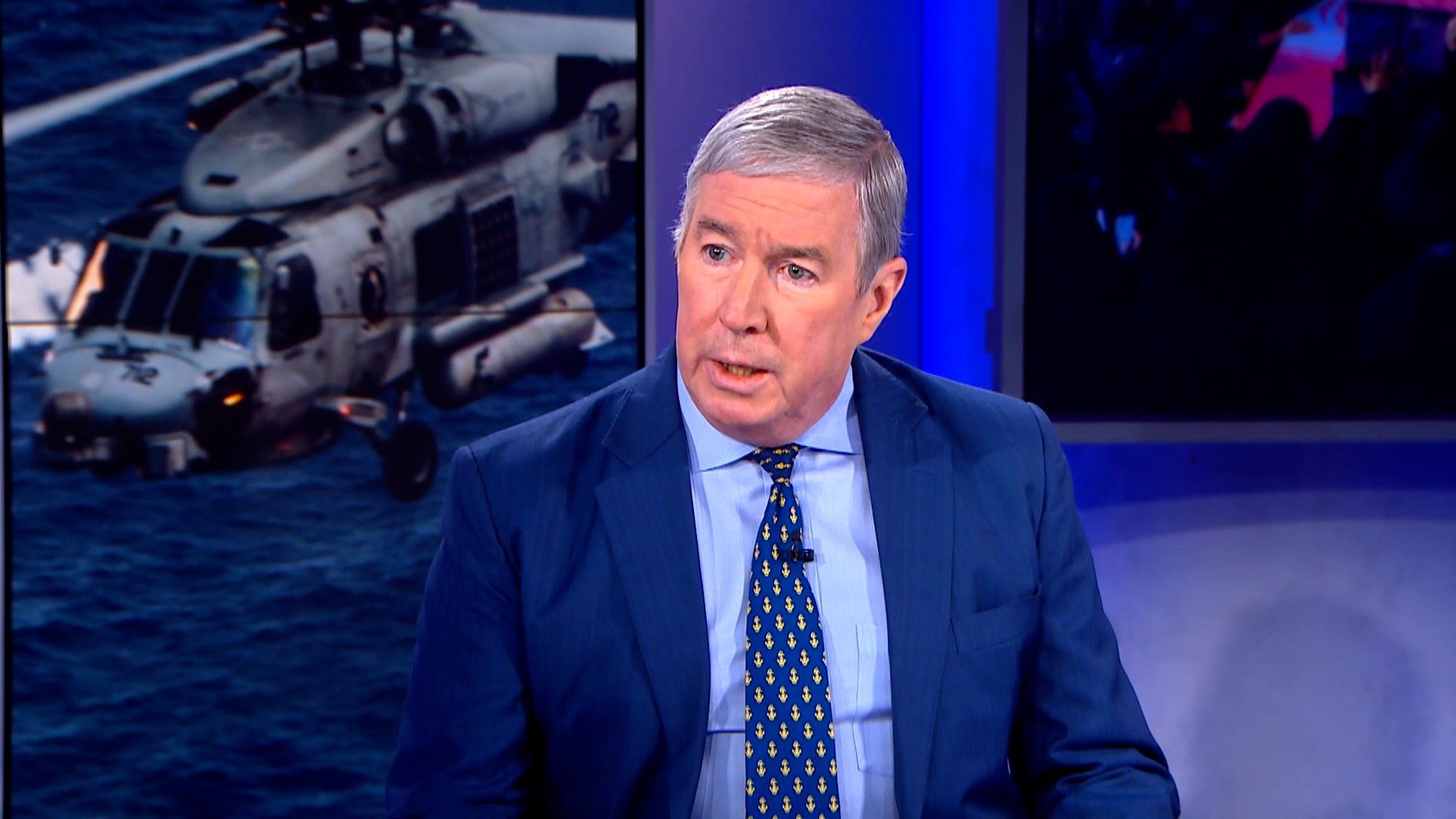
The positioning of two US Navy carrier strike groups in Middle Eastern waters represents one of the largest concentrations of American naval firepower in the region in recent times. Each carrier strike group comprises thousands of personnel and advanced weaponry, including fighter jets, destroyers, and guided-missile cruisers, collectively capable of sustained power projection across vast ocean distances.
The dual deployment underscores the strain on US military resources as the Pentagon manages multiple strategic priorities across different regions. Navy planners must balance the demands of Middle Eastern operations with commitments to other critical areas, including the Indo-Pacific and European theaters, where allied nations increasingly look to Washington for reassurance.
Carrier strike groups typically operate on rotational schedules lasting several months. The simultaneous presence of two groups in a single region is operationally intensive and requires careful coordination of maintenance cycles, crew rotations, and logistical support. Military analysts note that such concentrated deployments, while demonstrating resolve and capability, necessarily limit the flexibility available for responding to crises elsewhere.
The deployment signals American commitment to regional stability and freedom of navigation in vital shipping lanes. However, defense officials have indicated that sustaining such operations places considerable pressure on the broader naval fleet and highlights ongoing debates about optimal force structure and resource allocation across competing global requirements.