World · India Bureau
Dual-use farming model turns fields into power plants, boosts incomes
Indian farmers are increasingly adopting agrivoltaic systems that combine solar power generation with conventional crop cultivation, multiplying their annual earnings from thousands to lakhs of rupees. The innovative approach addresses energy needs while maintaining agricultural productivity on the same land.
LSN India ·
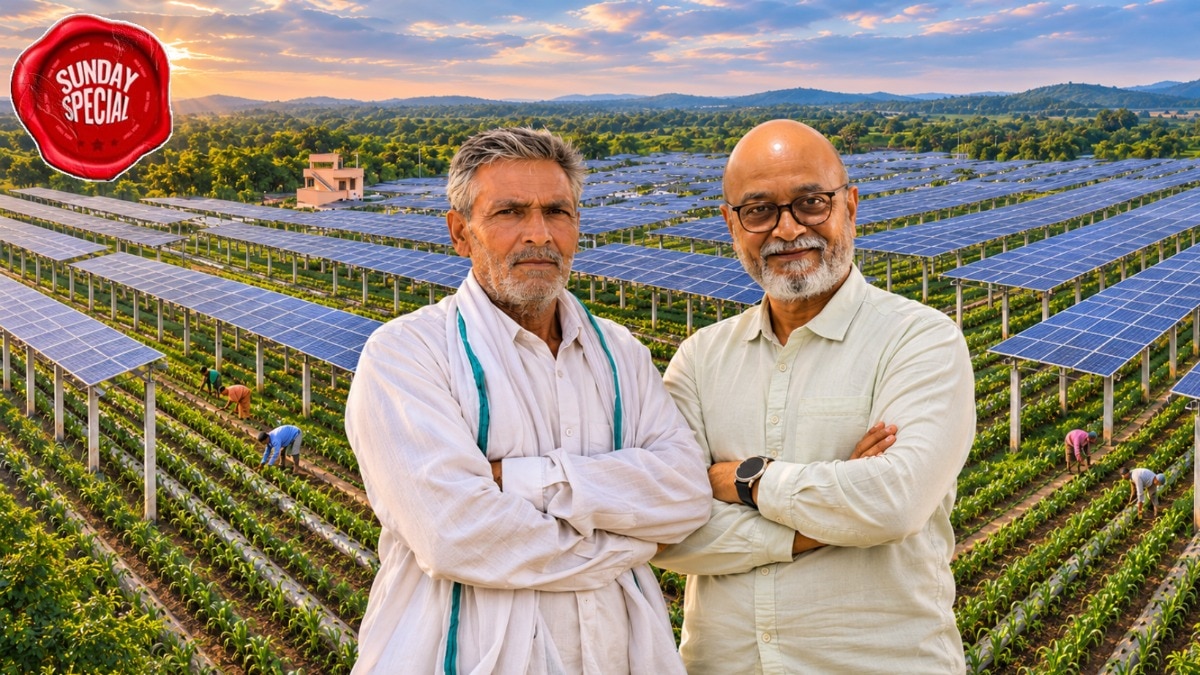
Agrivoltaic farming, where solar panels are installed above agricultural fields to generate electricity while crops grow beneath, is gaining traction among Indian farmers seeking to maximize land productivity and income. The model allows farmers to earn revenue from two sources simultaneously: selling solar power to the grid and harvesting conventional crops below the panels.
Farmers adopting this dual-use approach report earnings rising from as low as Rs 40,000 annually from traditional farming alone to over Rs 4 lakh per year when combining agricultural output with solar power generation. The tenfold income increase has made the system particularly attractive in resource-constrained regions where land availability is limited and farmers face pressure to diversify revenue streams.
The elevated solar panel design ensures adequate sunlight reaches crops while generating clean energy. Compatible crops include vegetables, spices, and pulses that thrive under partial shade conditions created by the panel arrays. States including Gujarat, Rajasthan, and Karnataka have witnessed increased farmer interest in installing these systems, with government schemes providing subsidies and technical support.
While initial investment costs remain substantial, analysts note that improved grid connectivity, falling solar technology prices, and long-term power purchase agreements make the model economically viable. Farmers benefit from stable electricity income alongside traditional crop revenue, reducing vulnerability to agricultural price volatility. Experts suggest this integrated approach could reshape India's agricultural landscape while supporting renewable energy targets.