World · India Bureau
Dubai quenches thirst without rivers: Inside the desert emirate's water miracle
Despite lacking major rivers or natural freshwater sources, Dubai supplies drinking water to millions of residents daily. The desert city's ingenious approach to water security offers lessons for water-scarce regions worldwide.
LSN India ·
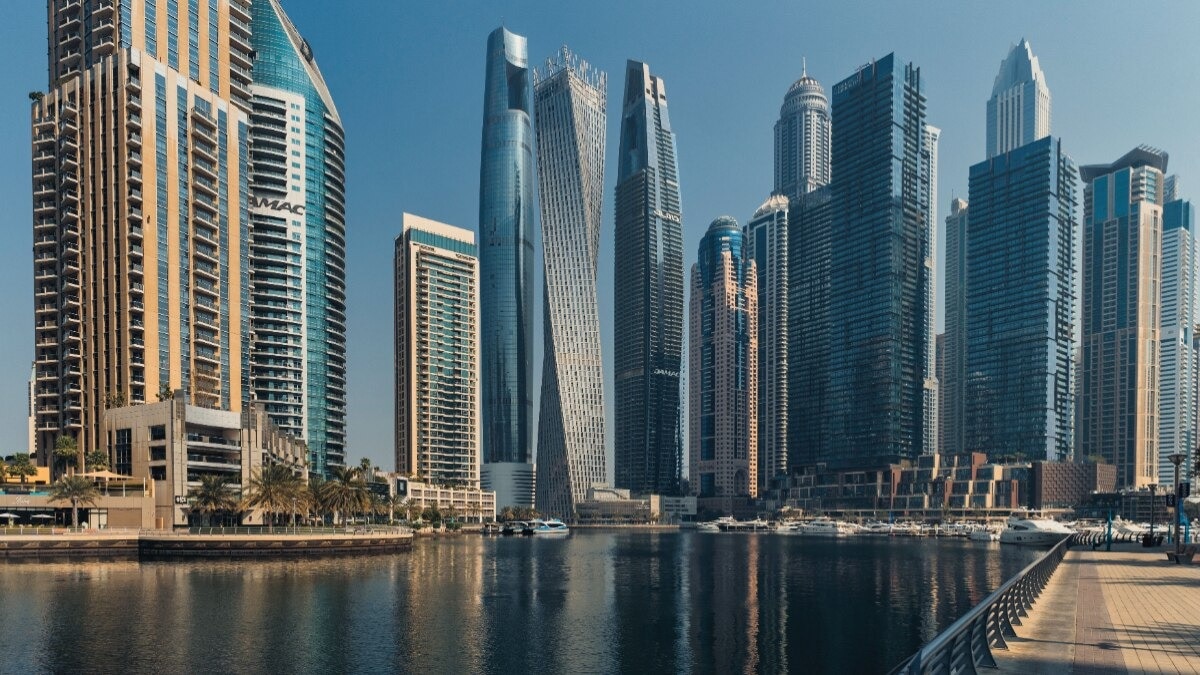
Dubai's arid landscape presents one of the world's most challenging environments for sustaining human habitation. Yet the emirate has transformed this constraint into an engineering triumph, delivering potable water to millions of inhabitants through a combination of desalination, groundwater extraction, and advanced distribution networks.
Desalination technology forms the backbone of Dubai's water supply strategy. The emirate operates multiple desalination plants that convert seawater from the Arabian Gulf into freshwater through reverse osmosis and thermal processes. These facilities produce hundreds of millions of gallons daily, making desalination the primary source of drinking water for residents and businesses across the city.
Beyond desalination, Dubai taps limited groundwater reserves and captures treated wastewater for non-potable uses such as irrigation and industrial applications. This integrated approach maximizes resource efficiency while reducing pressure on freshwater aquifers. The government has also invested heavily in water conservation programs, including leak detection systems and public awareness campaigns promoting responsible consumption.
The infrastructure supporting this water system represents decades of strategic investment. Modern pipelines, treatment facilities, and storage reservoirs work in concert to ensure reliable supply despite the region's extreme water scarcity. As climate change intensifies water stress globally, Dubai's model demonstrates how technological innovation and careful resource management can sustain large urban populations in inhospitable environments.
The success of Dubai's water security system underscores the importance of long-term planning and infrastructure development for growing cities in arid regions across South and Southeast Asia facing similar challenges.