World · Singapore Bureau
Dung beetles offer window into hidden wildlife at Central Catchment
Scientists are using dung beetles as biological indicators to track elusive mammals and birds inhabiting Singapore's Central Catchment Nature Reserve. The beetles' feeding patterns on animal droppings provide researchers with valuable clues about the forest's hidden fauna.
LSN Singapore ·
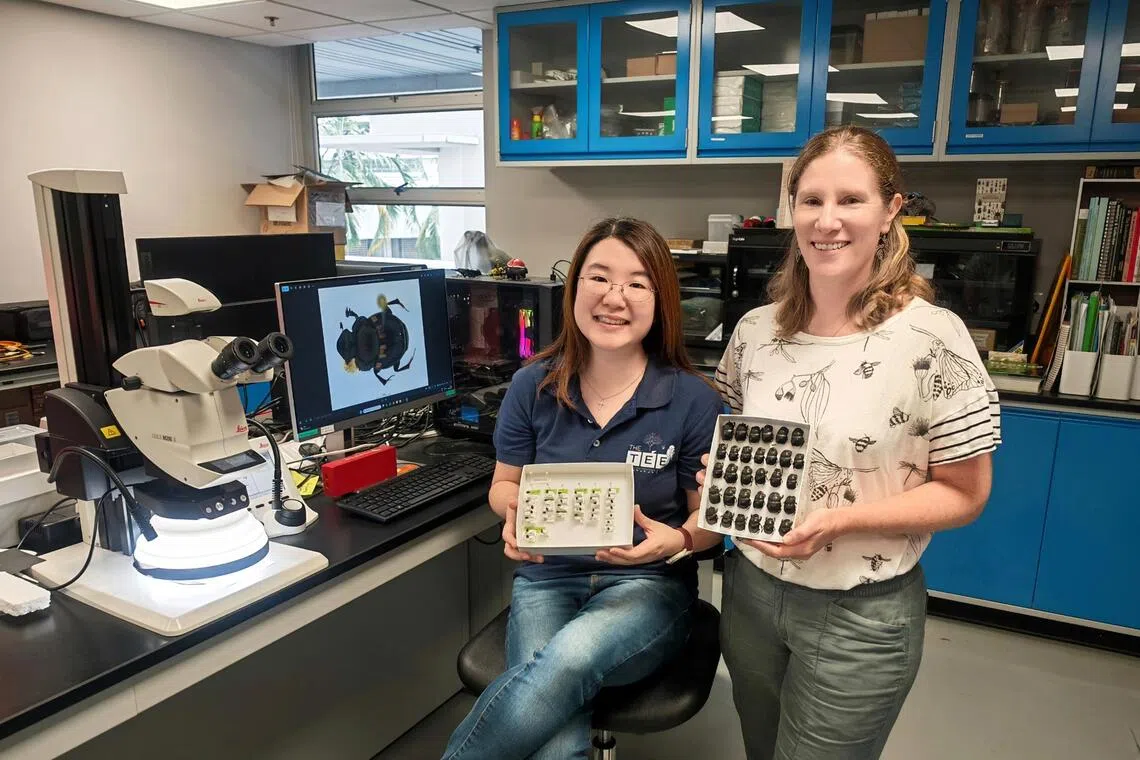
Researchers have begun leveraging an unconventional method to monitor wildlife populations in Singapore's Central Catchment Nature Reserve: studying the dietary habits of dung beetles. By analysing which animal faeces the beetles consume and process, scientists can infer the presence and activity patterns of mammals and birds that remain difficult to observe directly in the dense forest environment.
The approach capitalises on the beetles' crucial ecological role as decomposers. Their preference for specific types of dung can reveal which species roam the reserve's interior, including creatures that are nocturnal, solitary, or naturally wary of human detection. This indirect sampling method complements traditional wildlife survey techniques such as camera traps and acoustic monitoring.
Singapore's Central Catchment Nature Reserve, the island's largest nature reserve, supports a diverse array of fauna despite its relatively compact size. The research contributes to ongoing conservation efforts to understand and protect the reserve's biodiversity, particularly species that are rarely sighted but crucial to maintaining forest ecosystem health.
Conservation experts view such innovative monitoring techniques as increasingly important for protected areas facing pressures from urbanisation and habitat fragmentation. By identifying which wildlife species inhabit key reserves, authorities can better tailor management strategies and assess the effectiveness of conservation initiatives across Singapore's natural landscapes.