World · India Bureau
Dussehra 2026: Date, timings and significance of Vijayadashami
Dussehra, one of India's most significant Hindu festivals, will be celebrated in 2026 on a date determined by the lunar calendar. The festival marks the triumph of good over evil and culminates in Ravan Dahan, the symbolic burning of effigies.
LSN India ·
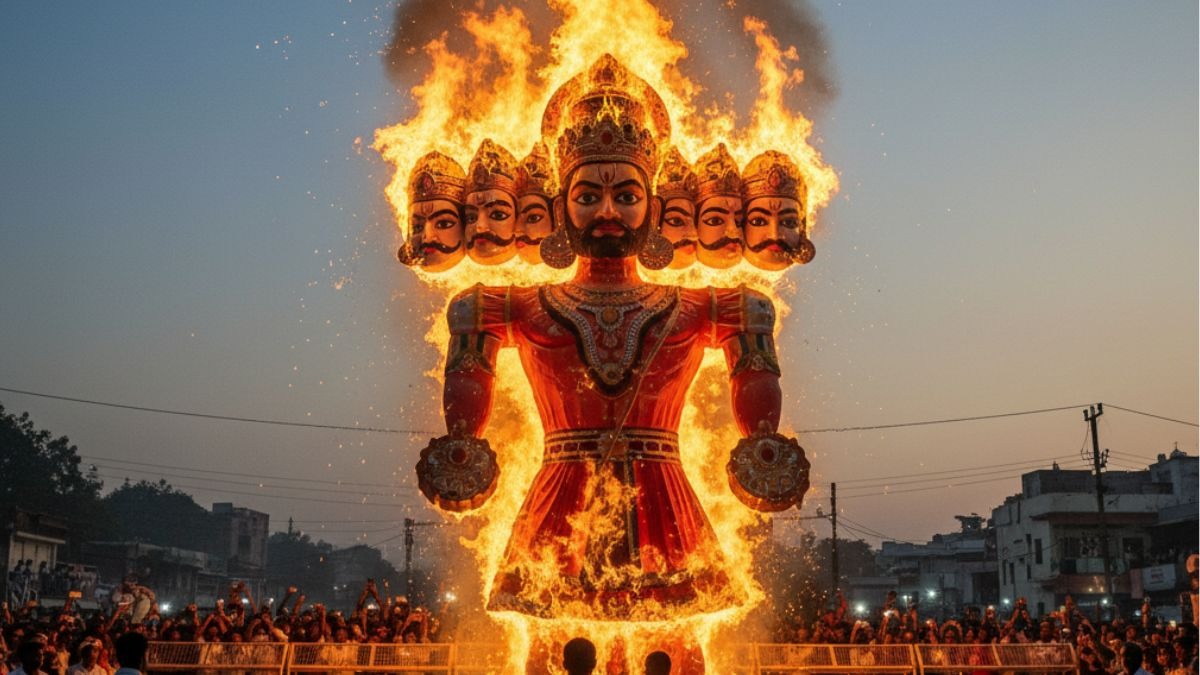
Dussehra, also known as Vijayadashami, is celebrated on the tenth day of the Hindu month of Ashwin, following the new moon. The festival holds deep religious and cultural significance across India, commemorating Lord Rama's victory over the demon king Ravana and the triumph of virtue over vice.
The exact date of Dussehra 2026 will be determined by the lunar calendar and astronomical calculations. Devotees traditionally mark the occasion by observing fasts, performing pujas, and attending cultural programmes featuring the Ramayana. The festival is particularly significant in North India, where elaborate Ravan Dahan ceremonies are conducted in the evenings.
Ravan Dahan, the burning of effigies representing Ravana and his brothers, typically takes place in the late afternoon or evening hours on Dussehra. The auspicious timing, or muhurat, for this ritual varies based on the position of celestial bodies and is calculated according to the Hindu lunar calendar. Many communities also celebrate Vijayadashami with the exchange of gifts, feasting, and the distribution of blessed leaves known as prasad.
Beyond its religious dimensions, Dussehra symbolises the victory of righteousness and marks the end of the nine-day Navratri festival. The occasion is widely observed across South and Southeast Asia, with cultural programmes and traditional festivities varying by region. Devotees seek blessings for prosperity and well-being as they celebrate the festival with family and community members.