World · India Bureau
Dutch Port Transforms Dredged Sediment Into Sustainable Bricks
Rotterdam's innovative approach to managing millions of cubic metres of dredged material has yielded an environmentally-conscious solution: unfired bricks that bypass traditional energy-intensive kiln processes. The initiative represents a significant step toward circular economy practices in port operations.
LSN India ·
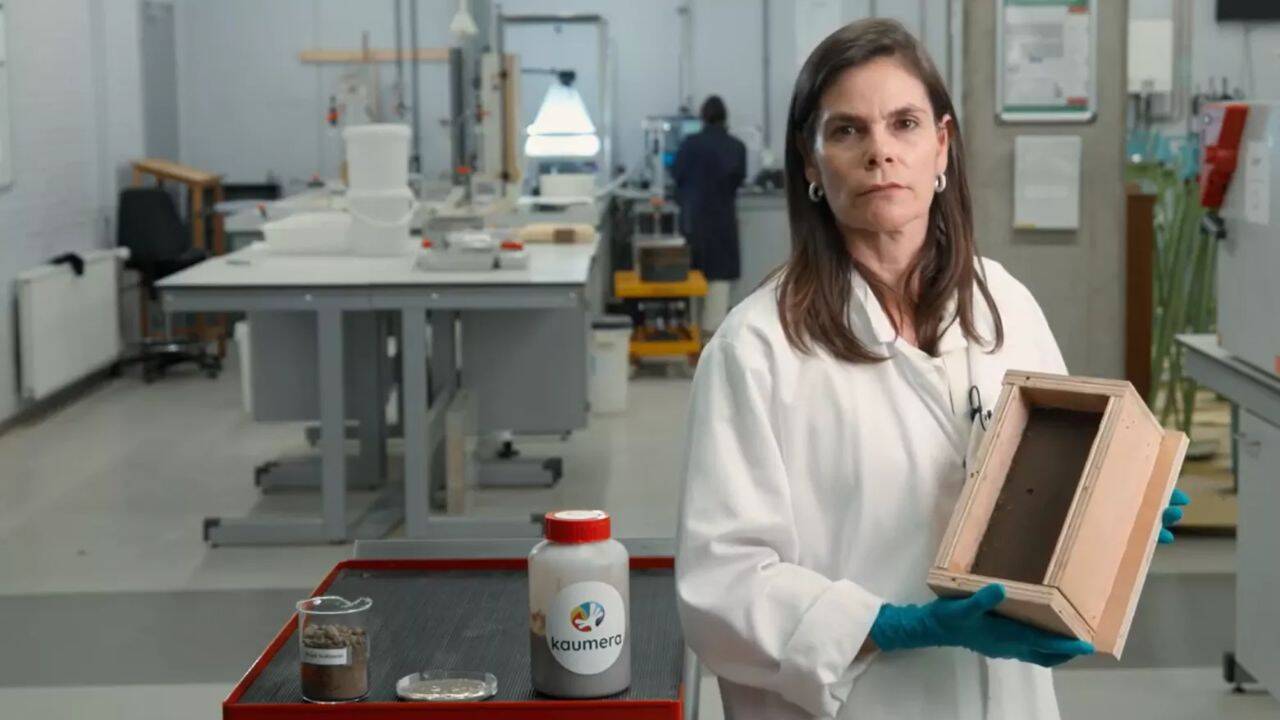
Rotterdam, Europe's largest port, has developed a pioneering method to convert dredged mud—material removed from waterways to maintain navigation channels—into usable bricks without requiring industrial firing. The process addresses a longstanding challenge for port authorities worldwide: the disposal of millions of tonnes of sediment extracted annually from harbour floors.
The innovation capitalizes on the material properties of dredged mud to create unfired bricks through specialized compression and binding techniques. This approach dramatically reduces energy consumption compared to conventional brick manufacturing, which relies on high-temperature kilns that consume substantial fossil fuels and generate significant carbon emissions.
The initiative reflects broader efforts among European ports to adopt sustainable practices and minimize environmental impact. By transforming what was previously considered waste material into a viable construction product, Rotterdam demonstrates how industrial operations can align with circular economy principles while addressing practical operational needs.
The unfired bricks produced through this process have been tested for structural integrity and quality standards, positioning them as a viable alternative for construction applications. As ports worldwide grapple with increasing volumes of dredged material and growing environmental pressures, Rotterdam's model offers a scalable solution that turns an operational liability into a resource-efficient product.