Business · Singapore Bureau
E-rickshaws transform urban transport across northern India
Electric auto-rickshaws have become a common sight at railway stations and markets throughout northern India, reshaping the region's informal transport sector. The shift reflects growing adoption of battery-powered vehicles as alternatives to traditional fuel-based transportation.
LSN Singapore ·
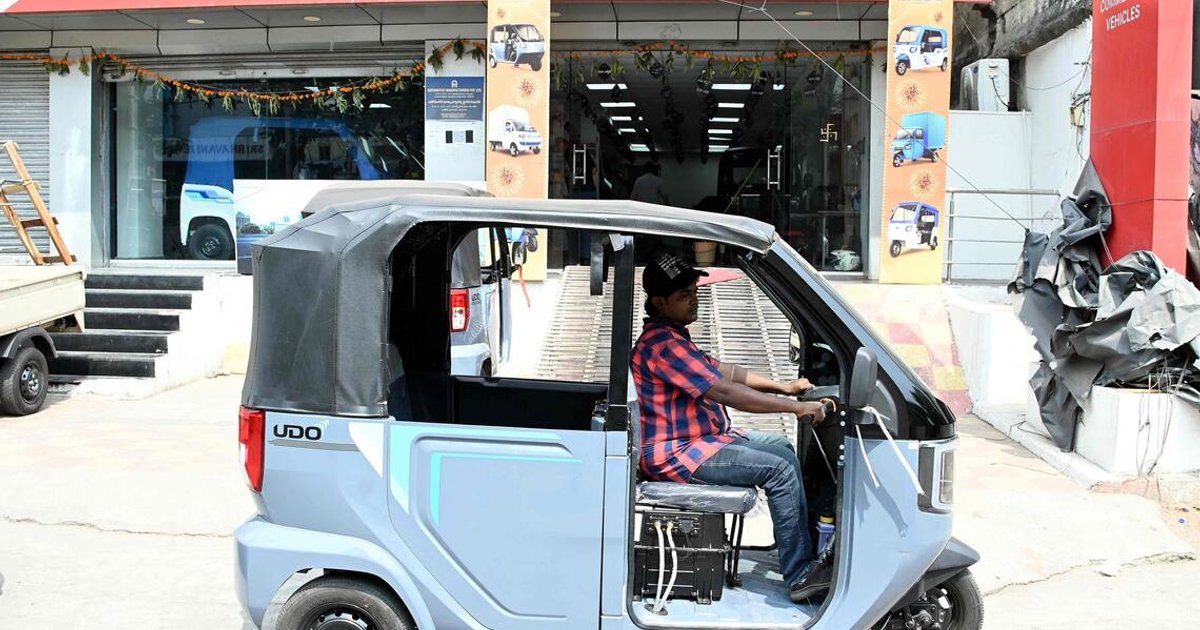
Electric rickshaws are increasingly displacing conventional petrol and diesel-powered vehicles in India's urban transport landscape, particularly across northern cities. The three-wheeled electric vehicles now regularly queue outside major transit hubs and commercial centres, serving as a primary mode of short-distance commuting for millions of passengers.
The proliferation of e-rickshaws represents a significant shift in India's transport infrastructure, driven by lower operating costs and reduced emissions compared to traditional auto-rickshaws. Operators benefit from cheaper electricity rates and minimal maintenance expenses, while passengers enjoy quieter rides with improved air quality in congested urban areas.
The transition reflects broader trends toward electrification in South Asia's transport sector, as cities grapple with air pollution and traffic congestion. However, challenges remain, including inconsistent charging infrastructure, regulatory frameworks, and the need for standardized safety protocols across different regions.
As demand for affordable, sustainable urban mobility continues to grow, electric rickshaws are expected to play an increasingly central role in reshaping India's transport ecosystem, particularly in high-traffic commercial and transit zones across the country's northern regions.