World · India Bureau
E100 Fuel: India's Push Into Pure Ethanol Motoring Explained
As India explores higher ethanol blends to reduce crude oil imports, E100 fuel represents a significant departure from conventional petrol. However, not all vehicles can use this nearly pure ethanol alternative, with strict compatibility requirements limiting its adoption.
LSN India ·
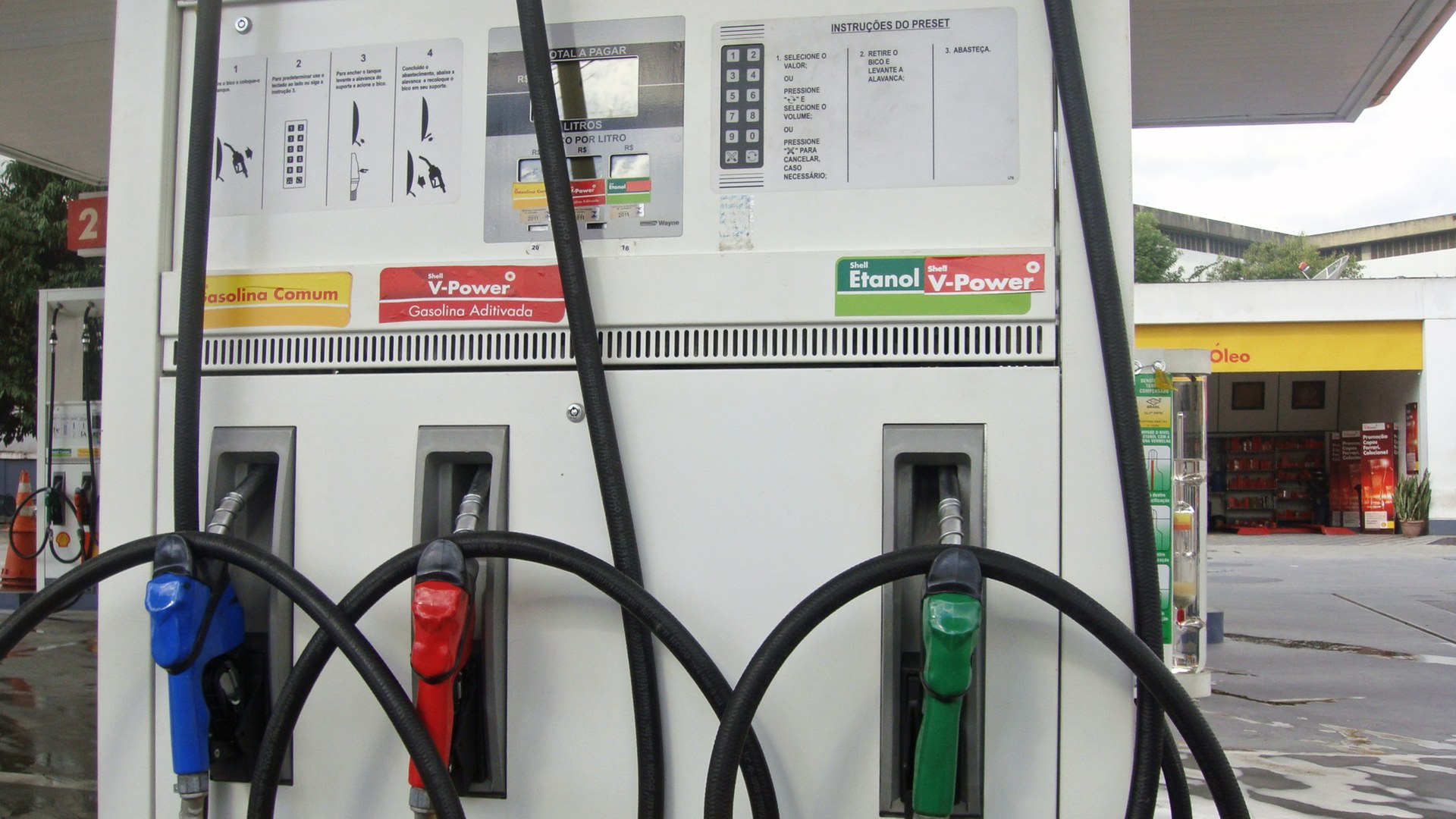
E100 fuel, which comprises nearly pure ethanol with minimal petroleum content, has emerged as a potential game-changer in India's push towards energy independence and reduced fossil fuel dependence. Unlike conventional petrol or even E20 blends increasingly promoted across the country, E100 requires vehicles specifically engineered to handle its chemical properties and combustion characteristics.
Flexible-fuel vehicles, or FFVs, are the only automobiles capable of running on E100 safely and efficiently. These vehicles feature specially calibrated engine management systems, ethanol-resistant fuel lines, and components designed to withstand the solvent properties of high-concentration ethanol. Standard petrol vehicles, including those certified for E20 fuel—which contains 20 per cent ethanol—lack these critical modifications and cannot switch to E100 without risking engine damage.
The distinction matters significantly for Indian consumers already adapting to E20 availability at petrol pumps nationwide. While E20 represents a transitional step requiring only modest engine recalibration, E100 demands comprehensive redesign of fuel system architecture. Engine mapping adjustments, corrosion-resistant fuel tanks, and modified fuel injectors form part of the mandatory specifications for E100 compatibility.
India's petroleum ministry has positioned ethanol-blended fuels as essential to reducing import dependency and supporting domestic agricultural interests. E100 availability remains limited, with production infrastructure still developing. Automotive manufacturers progressively roll out FFV models to capitalize on this emerging market segment, though consumer awareness about compatibility restrictions remains a challenge.
As India's renewable fuels roadmap evolves, understanding these technical distinctions becomes critical for buyers considering alternative fuel vehicles. Fleet operators and individual consumers must verify their vehicle's specifications before attempting to refuel with higher ethanol blends at authorized pumps.
Photo: An E100 ethanol fuel pump beside petrol pumps at a filling station in São Paulo, Brazil, January 2011. Mariordo (Mario Roberto Duran Ortiz) via Wikimedia Commons (CC BY-SA 3.0).