World · India Bureau
Early English expeditions to India faltered without maritime knowledge
England's first maritime expeditions aimed at reaching India in the 16th century encountered significant obstacles that would ultimately determine their fate.
LSN India ·
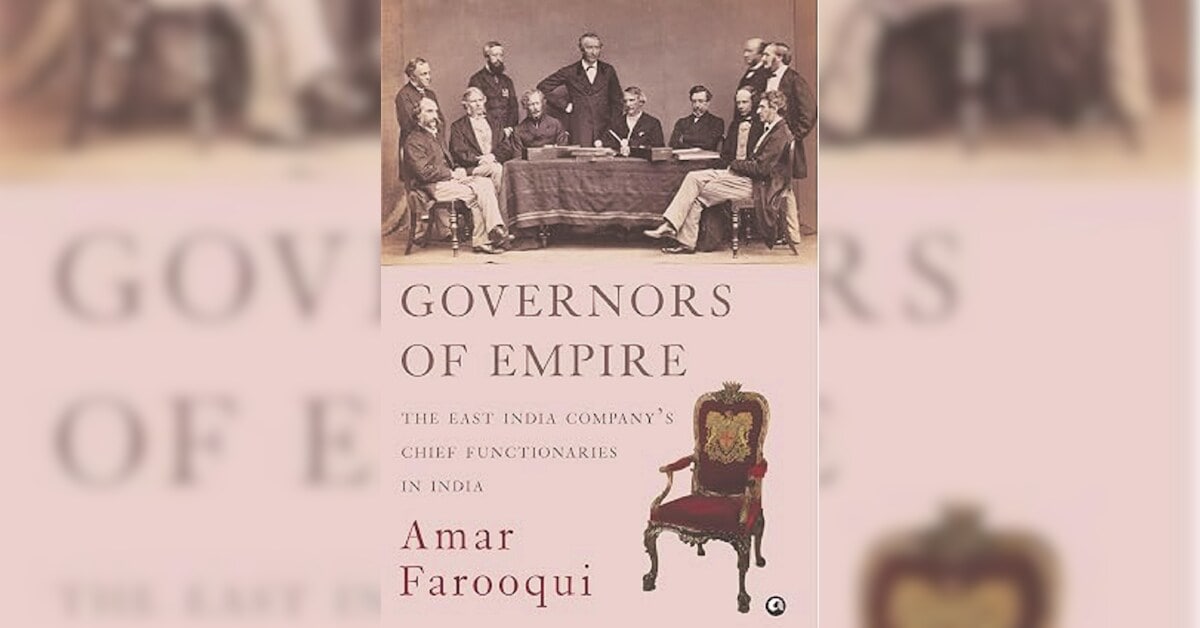
England's first maritime expeditions aimed at reaching India in the 16th century encountered significant obstacles that would ultimately determine their fate. Unlike their Portuguese counterparts who had methodically charted sea routes around Africa, English navigators lacked the critical knowledge of ocean passages necessary to sustain long-distance voyages to the subcontinent.
The absence of reliable navigational data and maps proved catastrophic for early English ventures. Without understanding monsoon patterns, ocean currents, and the practical routes that could support trading expeditions, English merchants and sea captains found themselves unable to maintain consistent contact with Indian ports or establish the supply lines needed for successful commerce.
This geographical disadvantage placed England at a considerable disadvantage compared to established European maritime powers. Portuguese traders, having invested years in mapping African coastlines and discovering the Cape route, possessed the institutional knowledge and experience that English ventures lacked. The gap in maritime expertise effectively closed England out of Indian trade during the formative period of European expansion.
It would take several decades and accumulated learning before English navigators could match the Portuguese accomplishment. Only when this knowledge gap was bridged would England begin to establish its own presence in Indian waters, marking the beginning of what would become a centuries-long engagement with the subcontinent.