World · Malaysia Bureau
Early intervention crucial for children with disabilities, experts say
Families across the region face significant challenges accessing specialised childcare services, forcing difficult decisions about relocation and career changes. Advocates say timely intervention can transform outcomes for children with disabilities.
LSN Malaysia ·
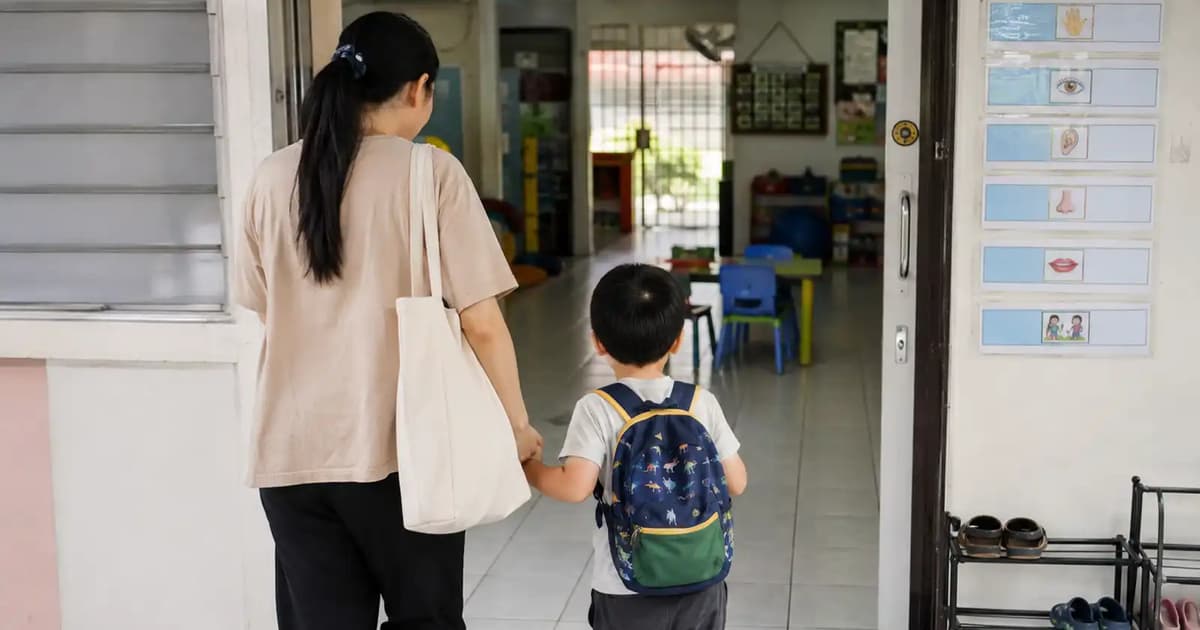
Parents of children with disabilities in South and Southeast Asia are increasingly confronted with a stark choice: relocate their families, abandon career prospects, or go without essential early intervention services. The limited availability of specialised childcare facilities has created a geographical lottery that leaves many families in underserved areas with few options.
Early intervention programmes have been shown to produce measurable improvements in developmental outcomes for children with disabilities. When services are accessible during critical formative years, children demonstrate better progress in communication, motor skills, and social integration. However, the concentration of such facilities in major urban centres means families in regional areas often face travel times spanning hours or must consider permanent relocation.
The burden falls particularly heavily on working parents, many of whom must reduce employment hours or leave the workforce entirely to manage childcare responsibilities. This creates secondary economic pressures on families already facing elevated healthcare and therapy costs associated with their children's needs.
Experts emphasise that closing service gaps requires coordinated effort across government health agencies, private providers, and non-governmental organisations. Investment in training specialised practitioners and establishing satellite clinics in underserved regions could significantly reduce the barriers families currently navigate. Regional cooperation to share expertise and resources has emerged as one potential pathway forward.
The issue remains pressing across the region, with families continuing to make extraordinary adjustments to secure the services their children require.