World · Singapore Bureau
Early warning systems struggle to keep pace with extreme weather surge
Climate change is intensifying extreme weather events across the region, testing the limits of disaster alert infrastructure. Authorities are racing to upgrade early warning systems to protect vulnerable populations from increasingly severe natural disasters.
LSN Singapore ·
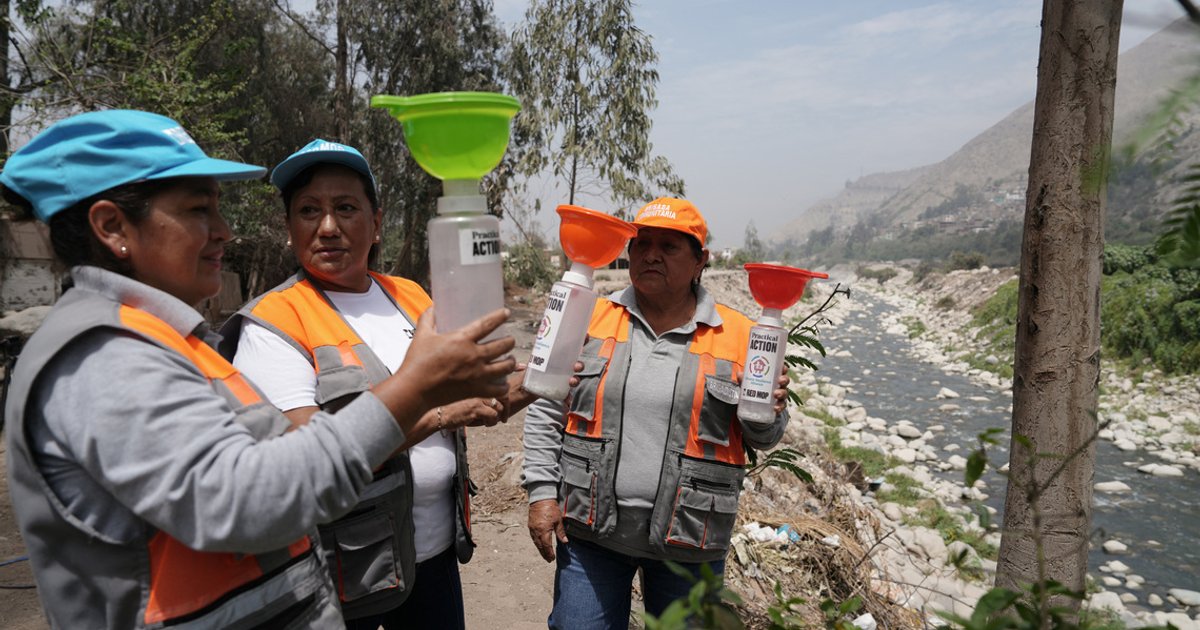
Rising global temperatures are fuelling a dramatic increase in the frequency and intensity of extreme weather phenomena, from devastating floods and cyclones to prolonged droughts and heatwaves. The acceleration of these events has exposed critical gaps in existing disaster warning systems, many of which were designed for historical weather patterns rather than the accelerated climate scenarios now unfolding.
In South and Southeast Asia, where densely populated coastal areas and low-lying agricultural regions face mounting climate pressures, the stakes are particularly high. Governments across the region have begun investing heavily in modernising their early warning infrastructure, incorporating advanced meteorological technology and real-time data analytics to provide communities with faster, more accurate alerts.
However, upgrading these systems remains a complex challenge. Many countries face resource constraints, while the unpredictable nature of climate-driven extreme events has made forecasting increasingly difficult. Experts emphasise that early warning systems must evolve continuously to match the changing risk landscape, requiring sustained funding, technical expertise, and regional cooperation.
The race to strengthen disaster preparedness has become urgent as communities worldwide grapple with weather phenomena that exceed historical baselines. Regional authorities are prioritising investments in satellite technology, ground-based monitoring networks, and community-level alert mechanisms to ensure that vulnerable populations receive timely warnings and have sufficient time to evacuate or prepare for impact.