World · World News Bureau
East Asian allies reassess ties after US midterm shifts
Recent US elections have prompted regional governments to reconsider their approach to Washington, exposing vulnerabilities in diplomatic strategies built around individual leaders rather than institutional relationships.
LSN World News ·
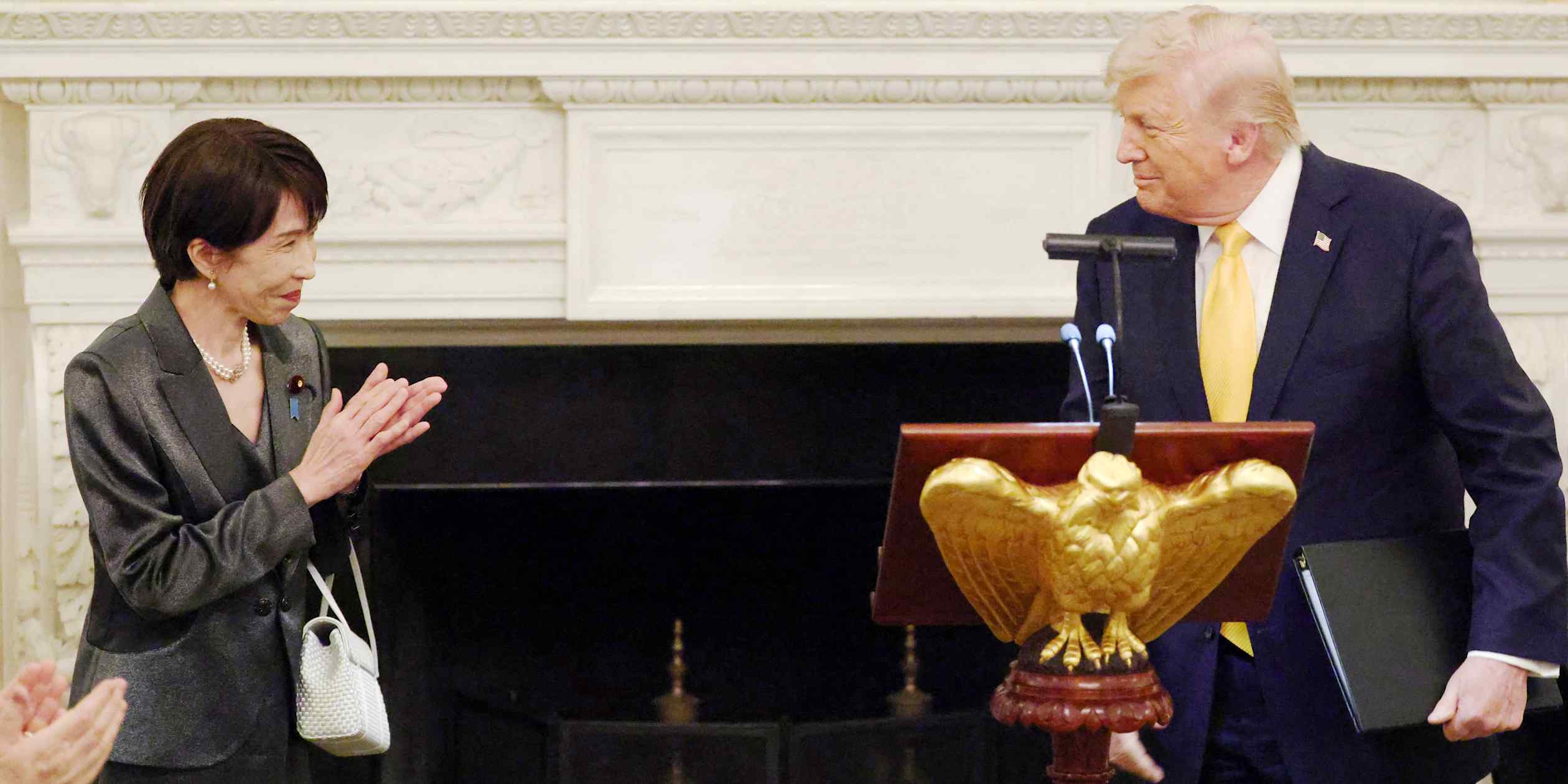
The outcome of the US midterm elections has prompted regional policymakers across East Asia to reassess their diplomatic positioning, revealing the risks of building foreign policy around personality-driven engagement rather than durable institutional frameworks.
Several governments in the region had pursued closer ties with Washington through direct appeals to individual US leaders, concentrating resources and political capital on these relationships. The shifting political landscape in America has underscored how such an approach leaves countries exposed to sudden policy reversals when electoral circumstances change.
Diplomatic observers note that the vulnerability stems from East Asian capitals having prioritized high-level personal diplomacy over building broader congressional support, multilateral frameworks, and institutional relationships that typically prove more stable across political transitions. This strategy initially appeared effective but has proven brittle when confronted with domestic US political movements.
Regional governments are now exploring ways to diversify their engagement with Washington, including strengthening ties with multiple political constituencies and emphasizing shared strategic interests that transcend individual administrations. The reassessment reflects a broader recognition that sustained US engagement in East Asia requires foundations deeper than personal diplomatic relationships between leaders.
The episode demonstrates how electoral volatility in major powers can create cascading uncertainty for smaller nations dependent on stable great-power relationships, forcing them to recalibrate expectations and develop more resilient diplomatic strategies.