World · Singapore Bureau
East Asian Corals Defy Global Decline Amid Rising Marine Heat
Hard coral cover has remained stable across East Asian seas while global reef ecosystems face unprecedented stress from intensifying marine heatwaves. The resilience of the region's coral populations offers a rare bright spot in an otherwise dire global outlook for these critical marine habitats.
LSN Singapore ·
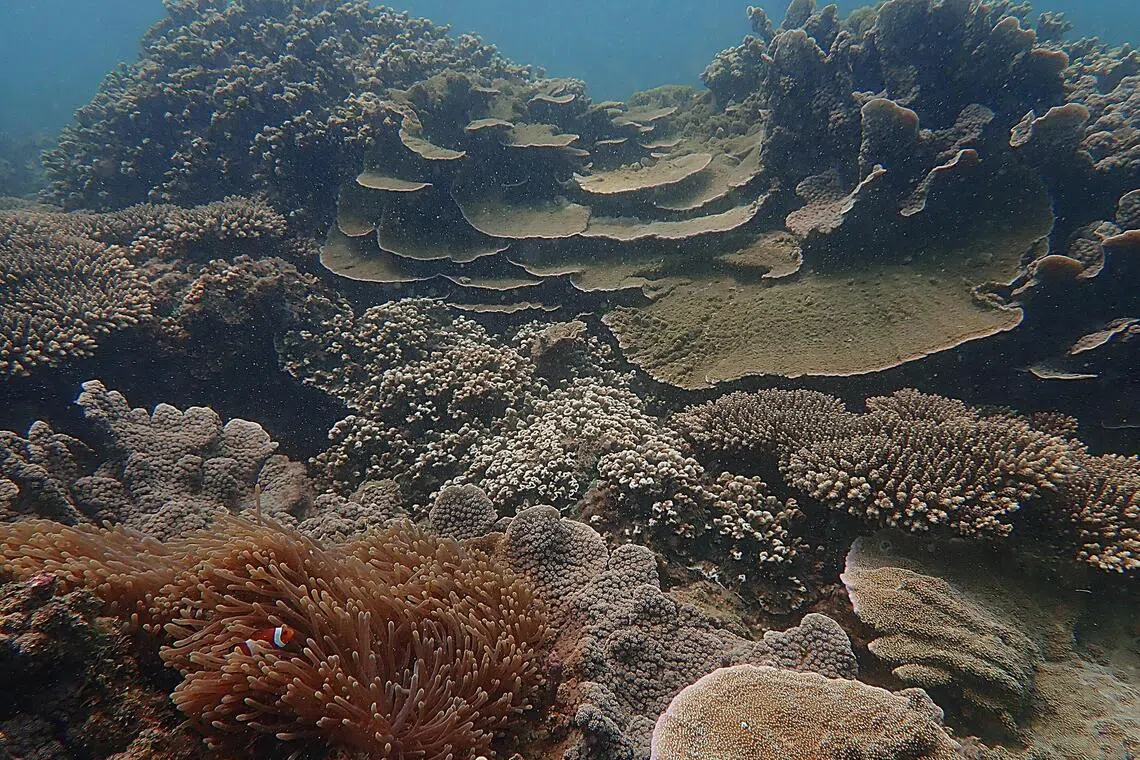
While coral reefs worldwide continue their sharp decline due to increasingly frequent and severe marine heatwaves, hard coral cover in East Asian waters has managed to hold steady, according to recent assessments of regional reef health.
The contrast underscores significant geographic variation in how coral ecosystems are responding to climate-driven ocean warming. As global hard coral cover contracts at alarming rates, East Asia's coral communities have demonstrated a capacity for stability that sets them apart from reefs in other regions facing more dramatic losses.
Marine heatwaves have emerged as a primary threat to coral survival worldwide, triggering mass bleaching events and mortality across vulnerable reef systems. The escalating frequency and intensity of these thermal stress events have accelerated the global decline, making the relative stability observed in East Asian seas particularly noteworthy for marine conservation efforts.
The resilience observed in East Asia's coral populations may reflect a combination of factors including regional oceanographic conditions, reef management practices, or inherent adaptive capacities of local coral species. Scientists and conservationists are studying these ecosystems closely to understand what protective mechanisms may be at work and whether lessons learned could inform reef protection strategies elsewhere.
Despite the positive trend in East Asia, experts caution that ongoing climate change and cumulative environmental pressures continue to pose significant risks to regional coral communities, underscoring the need for sustained monitoring and conservation efforts.