World · World News Bureau
Eastern Congo Faces Deadliest Ebola Outbreak Amid Conflict, Mistrust
A confluence of armed conflict, delayed disease detection, and community skepticism has allowed Ebola to spread unchecked in eastern Democratic Republic of Congo, creating the nation's most severe epidemic to date.
LSN World News ·
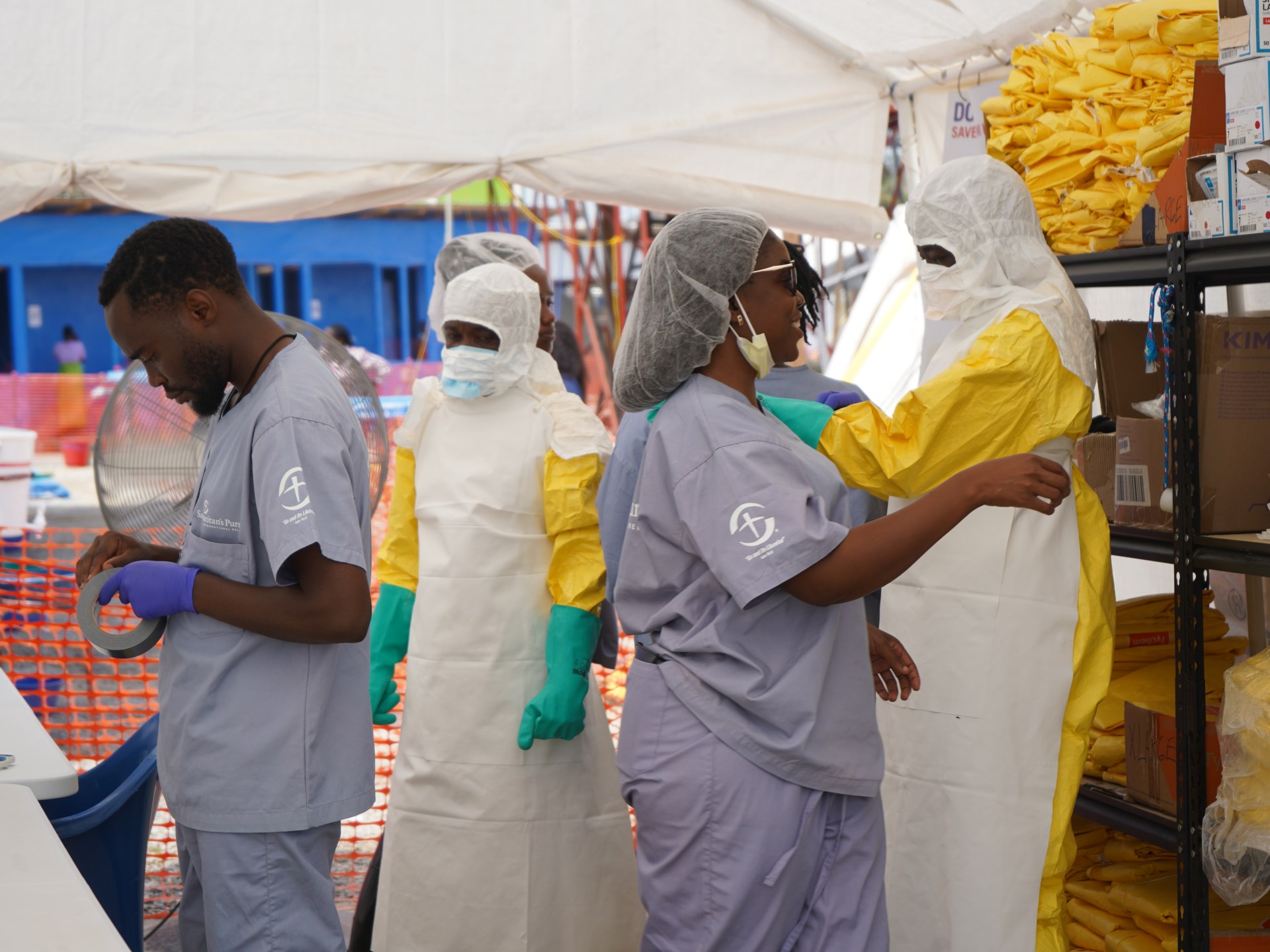
The Democratic Republic of Congo is grappling with its deadliest Ebola outbreak on record, as multiple factors have converged to undermine containment efforts in the conflict-ravaged eastern regions. The combination of ongoing armed violence, fragile healthcare infrastructure, and widespread distrust of authorities has created conditions where the virus has spread more rapidly and extensively than in previous epidemics.
Diseases like Ebola typically thrive in environments of instability and poor surveillance. In eastern DRC, active conflict has displaced populations and disrupted early warning systems that might otherwise detect cases quickly. When outbreaks are identified late, containment becomes exponentially more difficult, allowing the virus to establish transmission chains across wider geographic areas and populations.
Community mistrust represents another significant barrier to outbreak control. In areas where armed groups operate and state authority is weak, residents often harbor deep skepticism toward government health interventions and international responses. This skepticism can lead people to hide symptoms, avoid healthcare facilities, and resist contact tracing efforts—all critical tools for halting transmission.
Healthcare workers operating in the region face extraordinary challenges, from inadequate personal protective equipment to threats to their personal safety. These conditions have made it difficult to scale up response efforts and establish the treatment centers necessary to care for infected individuals while preventing nosocomial transmission.
Meanwhile, international health organizations have pressed for increased investment in both disease surveillance and conflict resolution, warning that without addressing the underlying instability, even well-resourced response efforts will struggle to contain the virus.