World · India Bureau
Echolocation trick: Bats fooled by plastic-covered fake water surfaces
Researchers have discovered that multiple bat species can be deceived into attempting to drink from artificial surfaces covered with clear plastic. The finding highlights how echolocation, the biological sonar system bats rely on, can be exploited by smooth man-made materials that mimic the acoustic properties of water.
LSN India ·
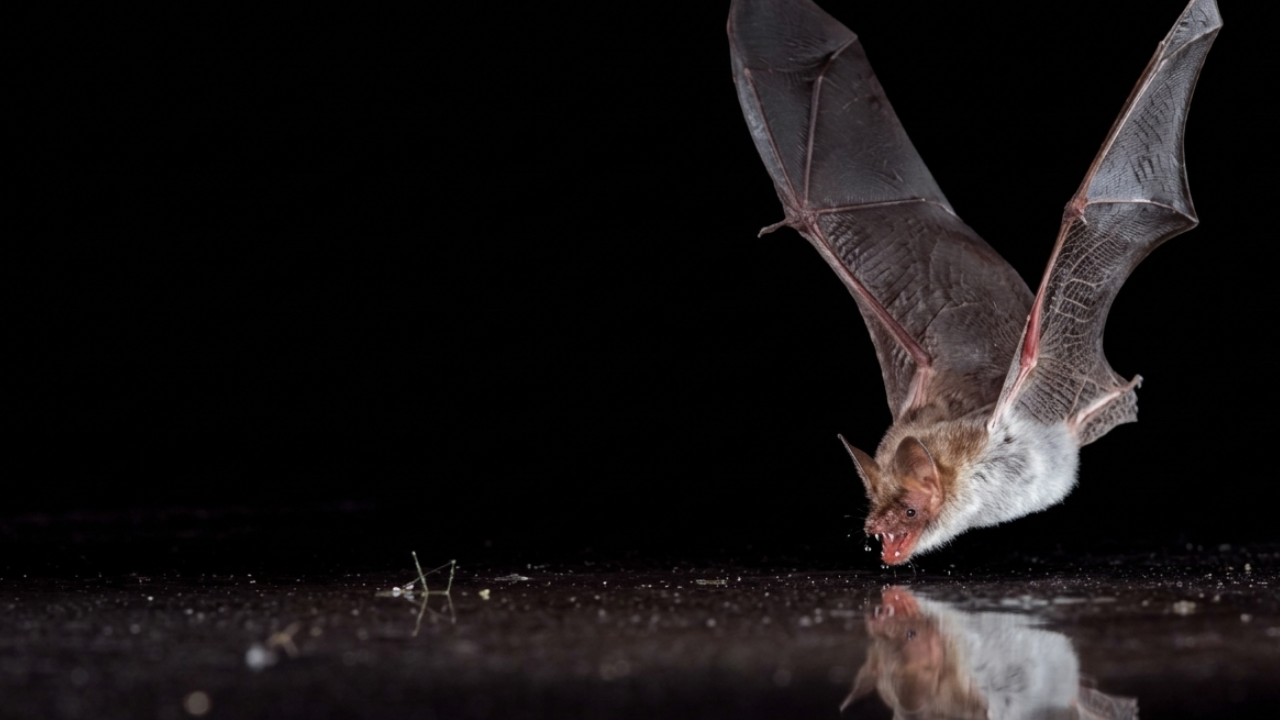
Scientists conducting behavioural studies found that at least 11 bat species persistently attempted to drink from experimental surfaces designed to replicate water bodies. The deception worked by covering smooth artificial materials with transparent plastic sheeting, which created acoustic reflections similar to those produced by actual water surfaces when bats emitted their echolocation calls.
The research reveals a significant vulnerability in how bats interpret their surroundings through echolocation. When bats hunt or search for water, they emit high-frequency sound waves and listen for echoes bouncing off objects. Smooth water surfaces produce distinctive acoustic signatures that the animals have evolved to recognise. However, certain artificial materials can generate similar echos, leading bats to misidentify them as potential drinking sources.
Particularly striking was the observation that even young and inexperienced bats fell victim to the illusion, suggesting the attraction to water-like acoustic signatures is instinctive rather than learned. Researchers noted that bats repeatedly approached these fake water surfaces despite receiving no reward, demonstrating the power of sensory deception in overriding natural caution.
The findings raise concerns about how artificial structures in human-dominated landscapes might inadvertently mislead bats and potentially disrupt their natural behaviour patterns. Scientists believe the research could inform better design practices for buildings and infrastructure in regions where bat populations are significant, helping to minimise unintended ecological consequences.