Politics · India Bureau
ECI tightens neutrality rules for re-employed officials in poll-bound states
The Election Commission of India has reinforced decades-old guidelines prohibiting government employees from providing partisan support during elections. The directive applies to officials rejoining service in states preparing for electoral contests.
LSN India ·
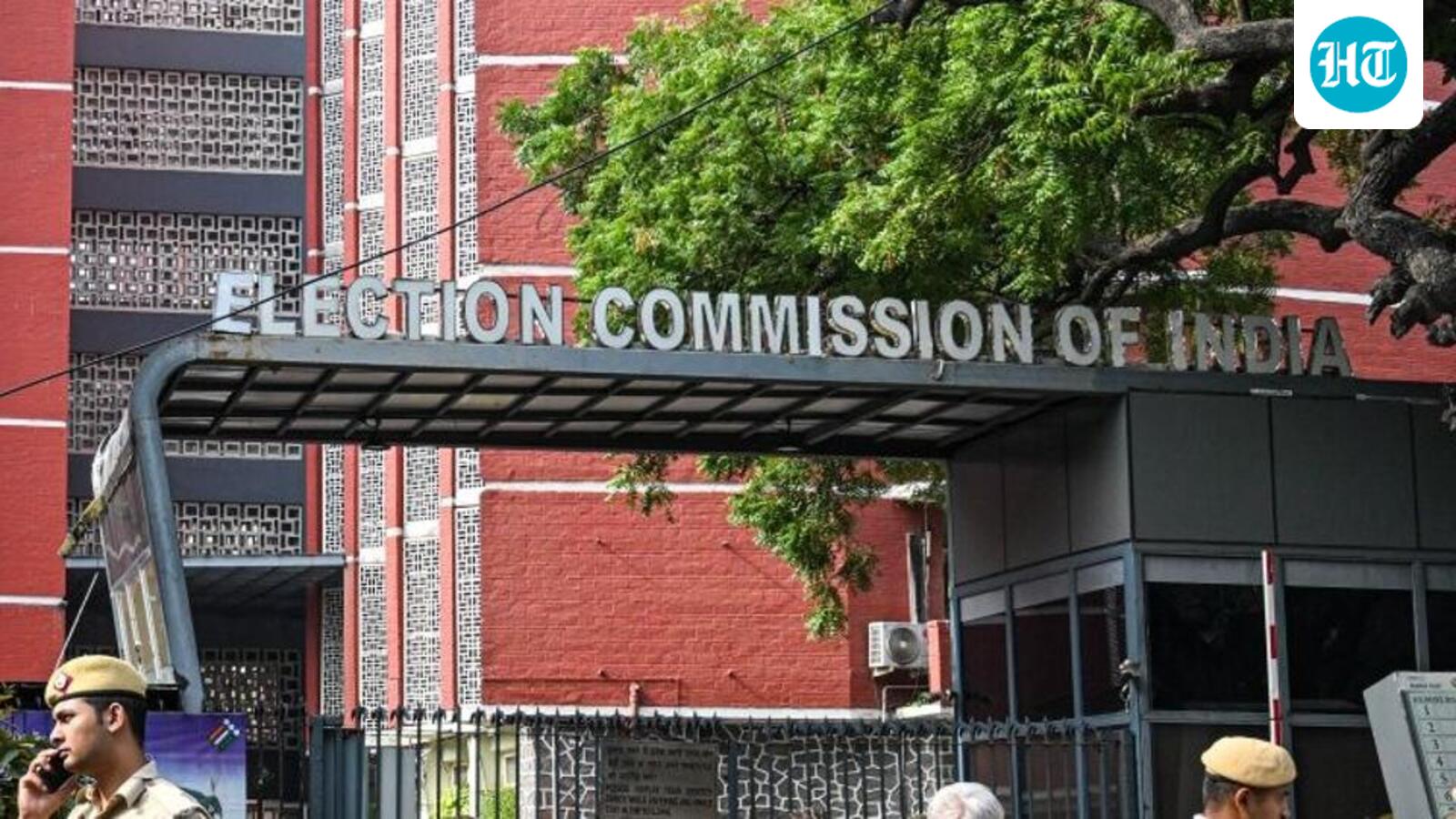
The Election Commission of India (ECI) has reinforced strict neutrality requirements for re-employed government officials operating in poll-bound states, invoking administrative instructions dating back to 1984 and 1991. The move seeks to ensure that public servants maintain impartiality during electoral processes and refrain from rendering assistance to any political party or candidate.
According to the ECI's directive, government employees, regardless of their employment status, are bound by established codes of conduct that prohibit them from engaging in partisan political activities. The commission emphasized that these restrictions apply uniformly across all categories of officials, including those who have been re-employed following breaks in service.
The guidelines specifically prohibit re-employed officials from providing material support, using official resources, or leveraging their administrative positions to benefit particular political entities during elections. The ECI cited the 1984 and 1991 instructions as the foundational framework for these requirements, underscoring the consistency of neutrality expectations over several decades.
The reinforced directive comes as multiple states prepare for upcoming electoral contests. Election authorities have indicated that violations of these neutrality provisions could result in departmental action against errant officials, potentially affecting their career progression and service benefits.
The ECI's move reflects ongoing efforts to maintain the credibility of electoral processes by ensuring that the bureaucratic apparatus remains insulated from political influence during polls.