Business · World News Bureau
Economics and ideology fuel Israeli West Bank settlement expansion
Israeli settlement growth in occupied Palestinian territories extends beyond ideological motivations, with economic incentives playing an increasingly significant role in driving expansion. Analysts identify distinct patterns among settlers, suggesting policy approaches must address both ideological and financial factors.
LSN World News ·
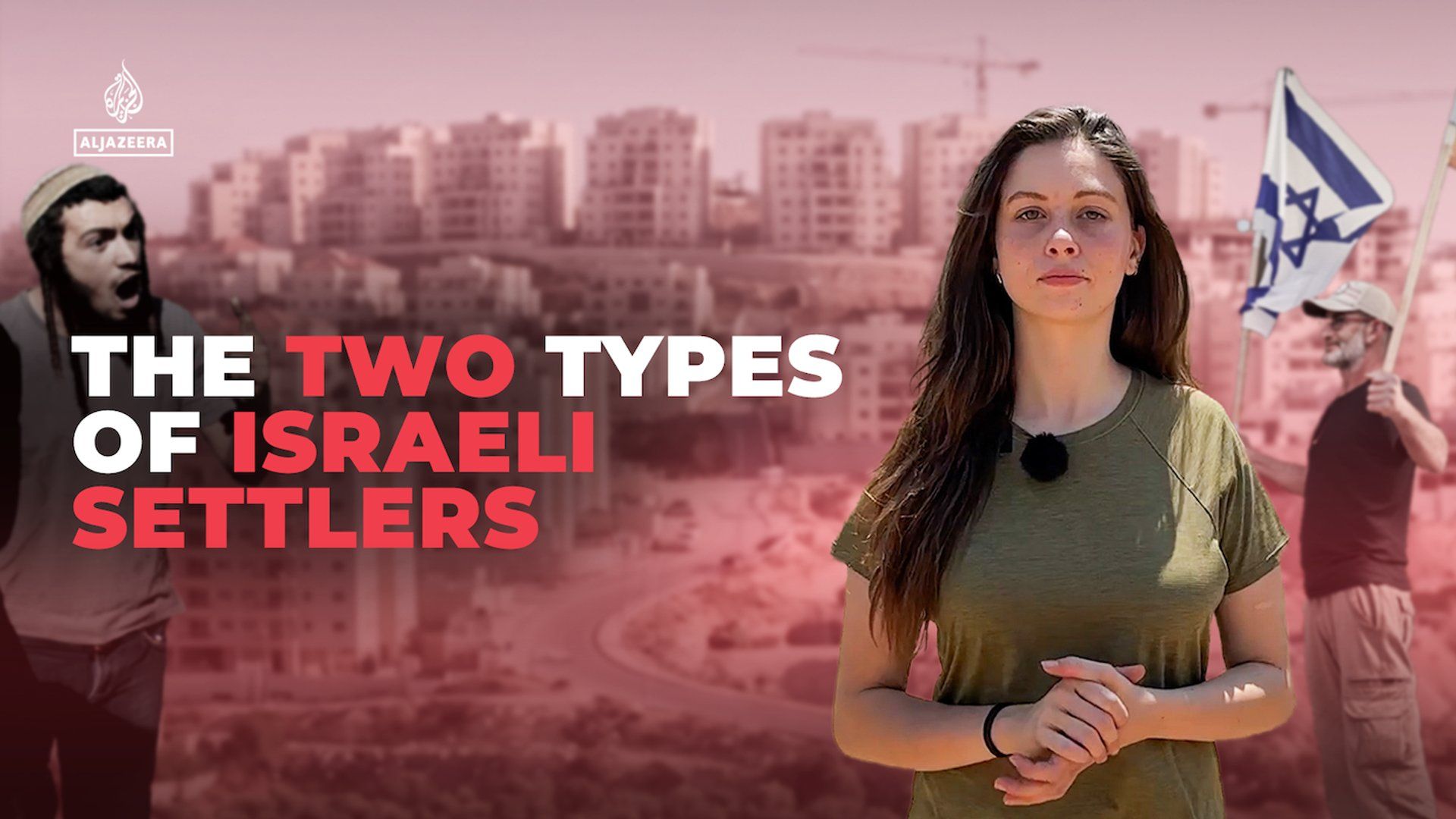
Israeli settlements in the West Bank represent one of the most contentious aspects of the Israeli-Palestinian conflict, with expansion continuing despite international opposition. While settlement activity has traditionally been characterized as primarily driven by nationalist or religious ideology, recent analysis reveals a more complex picture involving substantial economic motivations.
Settlers pursuing expansion fall into distinct categories based on their primary motivations. A significant portion are drawn by government subsidies, tax incentives, and housing benefits that make residential costs substantially lower than in Israeli cities. These economic incentives have created a powerful draw for middle-class Israelis seeking affordable housing and improved living standards, independent of ideological commitment to territorial claims.
A second group remains primarily motivated by ideological or religious convictions regarding Jewish claims to the territory. These settlers prioritize establishing Jewish presence in strategically important or historically significant locations, often accepting lower living standards to advance their political objectives. The interplay between these two groups has accelerated settlement growth across multiple Palestinian areas.
The dual-motivation model complicates potential policy solutions, as addressing settlement expansion requires confronting both ideological fervor and the economic structures that incentivize relocation. International efforts and future negotiations must account for these divergent settler profiles when considering frameworks for resolving territorial disputes in the region.