Business · India Bureau
Economist Nordhaus bridges climate crisis and economic policy
William Nordhaus, a leading voice in environmental economics, has spent decades examining the intersection of climate change and economic systems. His work under Nobel Prize winner Robert Solow at MIT laid the foundation for integrating climate considerations into mainstream economic thought.
LSN India ·
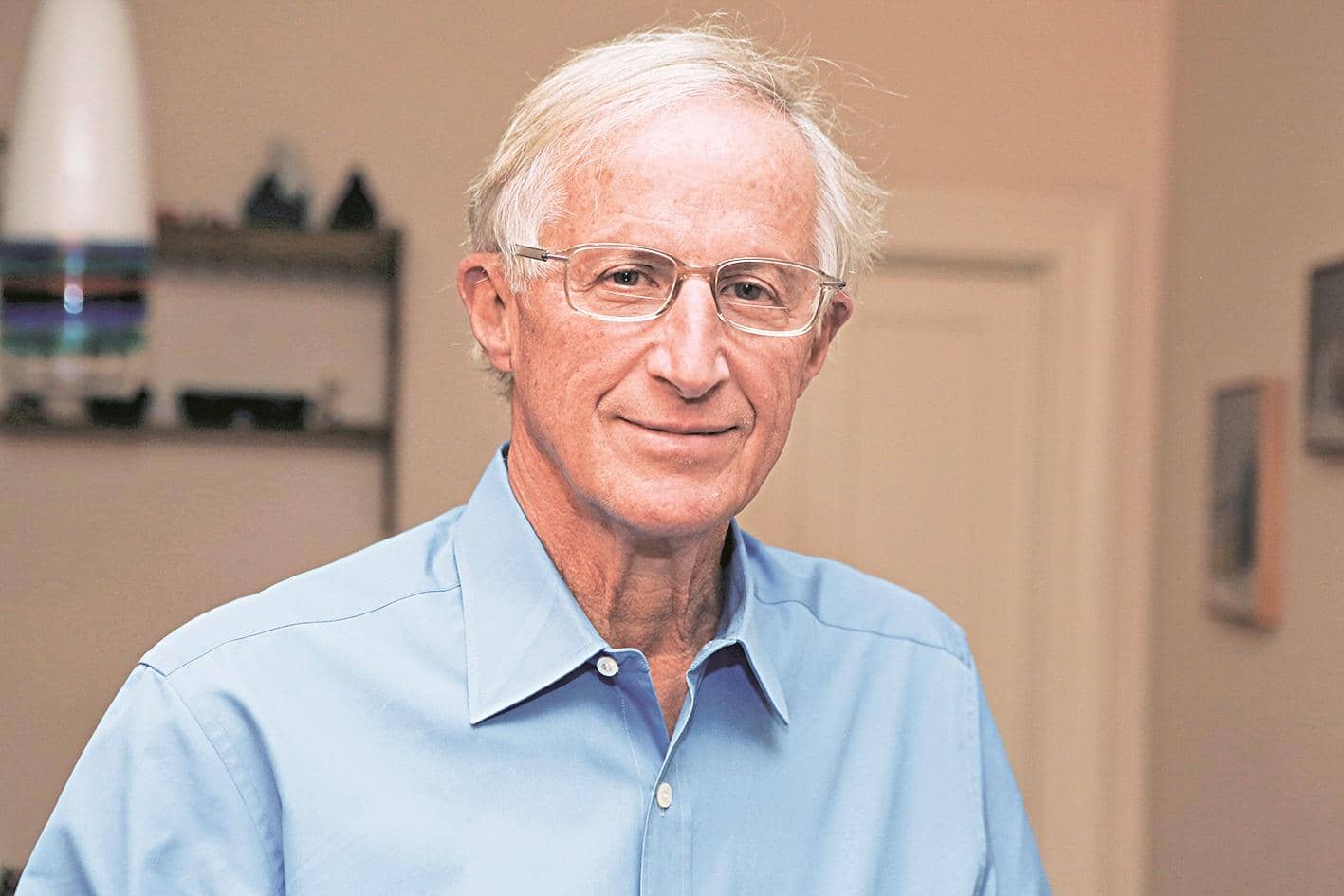
William Nordhaus has emerged as a key figure in demonstrating how climate change and economic policy are fundamentally intertwined. His research challenges traditional economic models by incorporating environmental factors into calculations of growth and prosperity, an approach increasingly relevant for policymakers across Asia.
Nordhaus earned his doctorate in economics from the Massachusetts Institute of Technology, where he studied under Robert Solow, himself a recipient of the Nobel Prize in Economics. This prestigious academic foundation equipped Nordhaus with rigorous analytical tools to tackle one of the most pressing challenges of our time.
Through his career, Nordhaus has developed frameworks for assigning economic value to climate impacts, attempting to quantify the costs of inaction against climate change. His work has influenced global discussions on carbon pricing, climate policy, and the true cost of economic development.
For developing economies in South and Southeast Asia facing the dual pressures of economic growth and environmental sustainability, Nordhaus's research offers crucial insights. His analytical approach provides a roadmap for integrating climate considerations into long-term economic planning and policy formulation.