World · Malaysia Bureau
Education Rankings Alone Cannot Measure True Learning Success
Educational experts are questioning whether international test scores and academic rankings adequately reflect the true purpose of schooling. Observers argue that education systems should prioritise developing well-rounded individuals rather than chasing numerical benchmarks.
LSN Malaysia ·
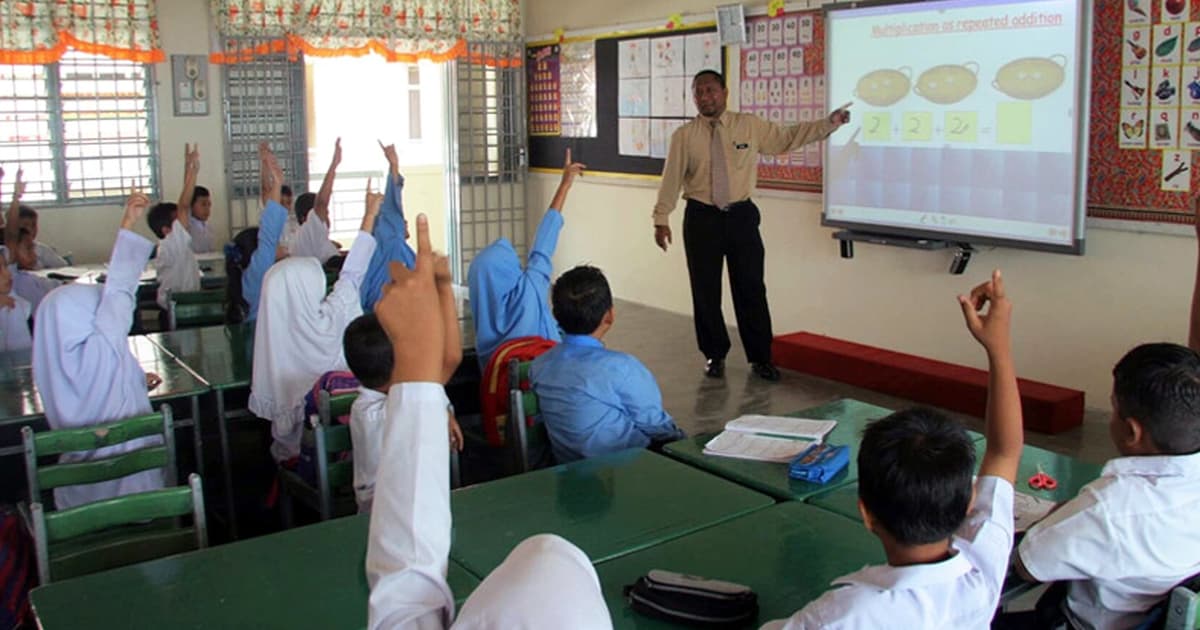
The debate over how to measure educational success has intensified across the region, with educators questioning the reliance on standardised test scores and international rankings as primary indicators of school performance. While assessments like PISA provide quantifiable data, critics contend these metrics capture only a narrow slice of what constitutes meaningful education.
Educational observers emphasise that schools serve a broader mission beyond producing high test scores. The primary objective of education systems should be cultivating capable, ethical individuals equipped to contribute positively to society, they argue. This encompasses developing critical thinking, creativity, social skills, and character—dimensions that standardised tests struggle to measure comprehensively.
The pressure to achieve top rankings in international assessments can distort educational priorities, leading schools to focus narrowly on tested subjects while neglecting other important areas of development. Countries across South and Southeast Asia have grappled with balancing the desire for respectable international standings with the need to foster holistic student development.
Educators are calling for a more nuanced approach to evaluating educational systems, one that incorporates multiple measures of student growth and societal contribution. While standardised assessments offer useful data points, they should not serve as the sole indicator of whether an education system is successfully preparing young people for life beyond the classroom.