Culture & Entertainment · Malaysia Bureau
Education Systems Must Empower Critical Thinking, Not Conformity
Commentators argue that Malaysian education should foster independent minds capable of questioning established norms, rather than encouraging passive acceptance of authority. The shift represents a fundamental rethinking of what constitutes educational success in the region.
LSN Malaysia ·
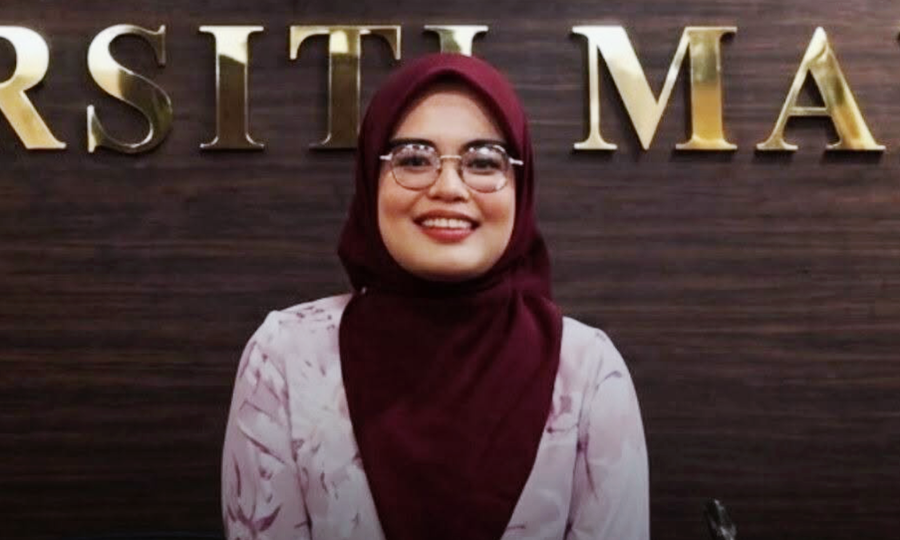
Education experts and social observers across Malaysia are increasingly questioning whether the country's schooling systems adequately prepare students to think independently and challenge prevailing assumptions.
The debate centers on a cultural tendency toward conformity—locally referred to as following the 'pak turut' or 'yes-man' approach—which critics argue permeates educational institutions from primary school through tertiary levels. This pattern, observers suggest, discourages students from developing critical faculties and instead rewards compliance and rote learning.
Proponents of educational reform contend that a robust education system should equip citizens with the confidence and capability to ask substantive questions about policies, practices, and institutions that affect their lives. They argue that this capacity for constructive inquiry strengthens democratic participation and drives social progress.
The discussion reflects broader regional conversations about balancing respect for authority with the cultivation of analytical skills. Education policymakers face the challenge of designing curricula that maintain order and discipline while simultaneously encouraging the intellectual independence necessary for economic innovation and informed civic engagement.
Educators emphasize that developing questioning minds need not undermine social cohesion, but rather creates citizens better equipped to contribute meaningfully to national development and address complex societal challenges.