World · World News Bureau
Egypt seeks influence over Ethiopia's new Nile dam projects
Cairo is attempting to shape the development of three planned dams on the Blue Nile, seeking to avoid a repeat of its failed efforts to stop the controversial Grand Ethiopian Renaissance Dam.
LSN World News ·
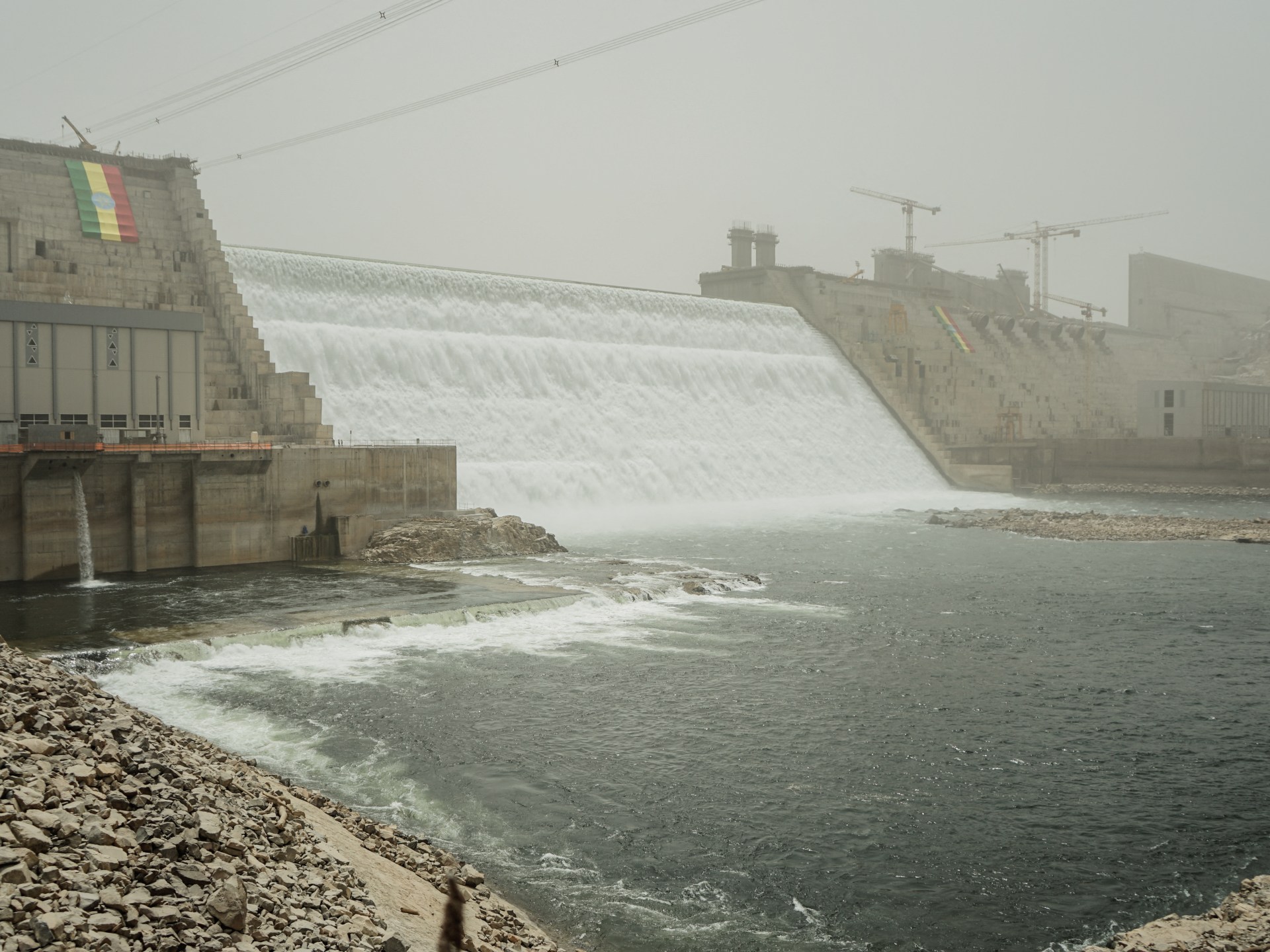
Egypt faces a new chapter in its long-running dispute with Ethiopia over Nile River water resources, as three additional dam projects advance along the Blue Nile. The developments represent Cairo's attempt to exercise greater diplomatic influence over upstream water infrastructure after it was unable to prevent construction of the Grand Ethiopian Renaissance Dam, which began generating electricity in 2020.
The three proposed projects—Karadobi, Mabil, and Roseires extension—are at various stages of planning and development. Egypt's strategy has shifted from outright opposition to engaging with Ethiopian and international stakeholders in an effort to negotiate terms that protect its water interests. The approach reflects the limited leverage Cairo wielded during the GERD dispute, when its concerns about reduced downstream water flow were largely disregarded.
Water security remains critical for Egypt, which depends heavily on Nile flows for agriculture and domestic consumption. The accumulation of dams upstream could significantly alter Egypt's water availability, intensifying an already strained relationship between the two nations. International observers note that the outcome of these negotiations will set precedent for managing shared river resources in the Horn of Africa region.
Ethiopia views the dams as essential for economic development and electricity generation to power its growing population. The competing interests underscore the broader challenge facing riparian nations in Africa: balancing development needs with water-sharing agreements. Diplomatic engagement on the new projects may determine whether the region can establish more collaborative frameworks for managing the continent's most vital waterway.