World · India Bureau
Egyptian archaeologists unearth rare rock-cut tombs in Nile Delta
A significant archaeological discovery in Egypt has revealed unusually crafted rock-cut tombs spanning multiple historical periods at Tell el-Yahudiya. The site, which shows evidence of continuous occupation from ancient times through the Roman era, offers fresh insights into the region's long-standing importance.
LSN India ·
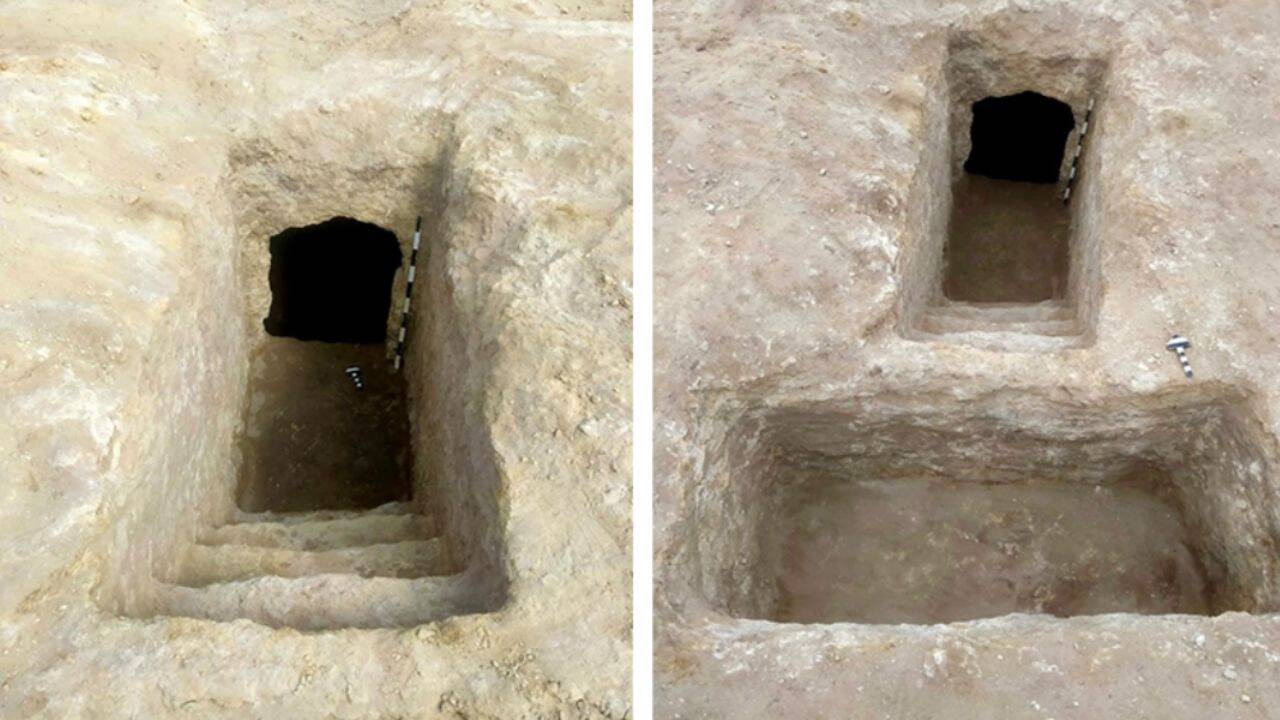
Egyptian archaeologists have announced the discovery of distinctive rock-cut tombs at Tell el-Yahudiya in the Nile Delta, marking a notable addition to the region's archaeological record. The burial structures date to Egypt's New Kingdom period and continued in use through the Late Period, demonstrating the site's sustained significance across centuries.
The excavation has revealed stratified evidence of human activity across distinct historical phases. Below the surface lay the ancient tombs, while above them, researchers uncovered the physical remnants of a Roman military encampment, indicating the location remained strategically or culturally important long after pharaonic times.
The multi-layered nature of the findings at Tell el-Yahudiya underscores the site's role as a major settlement hub throughout antiquity. The overlapping occupation layers suggest the location served different purposes for successive civilizations, from burial ground to military garrison, reflecting the broader patterns of settlement and resource management in the Nile Delta region.
The discovery adds to the growing body of evidence about Tell el-Yahudiya's prominence in ancient Egyptian history and its continued relevance during Greco-Roman periods. Such comprehensive archaeological sites provide researchers with valuable comparative data for understanding settlement patterns, burial practices, and military infrastructure across multiple epochs of Mediterranean and Near Eastern history.