World · India Bureau
Egyptian archaeologists unearth sealed tomb complex at ancient Saqqara site
A significant archaeological discovery at Egypt's Saqqara necropolis has revealed the burial complex of Sekhentyu-Ptah, featuring multiple sealed sarcophagi and elaborate funerary structures that shed light on ancient Egyptian burial practices.
LSN India ·
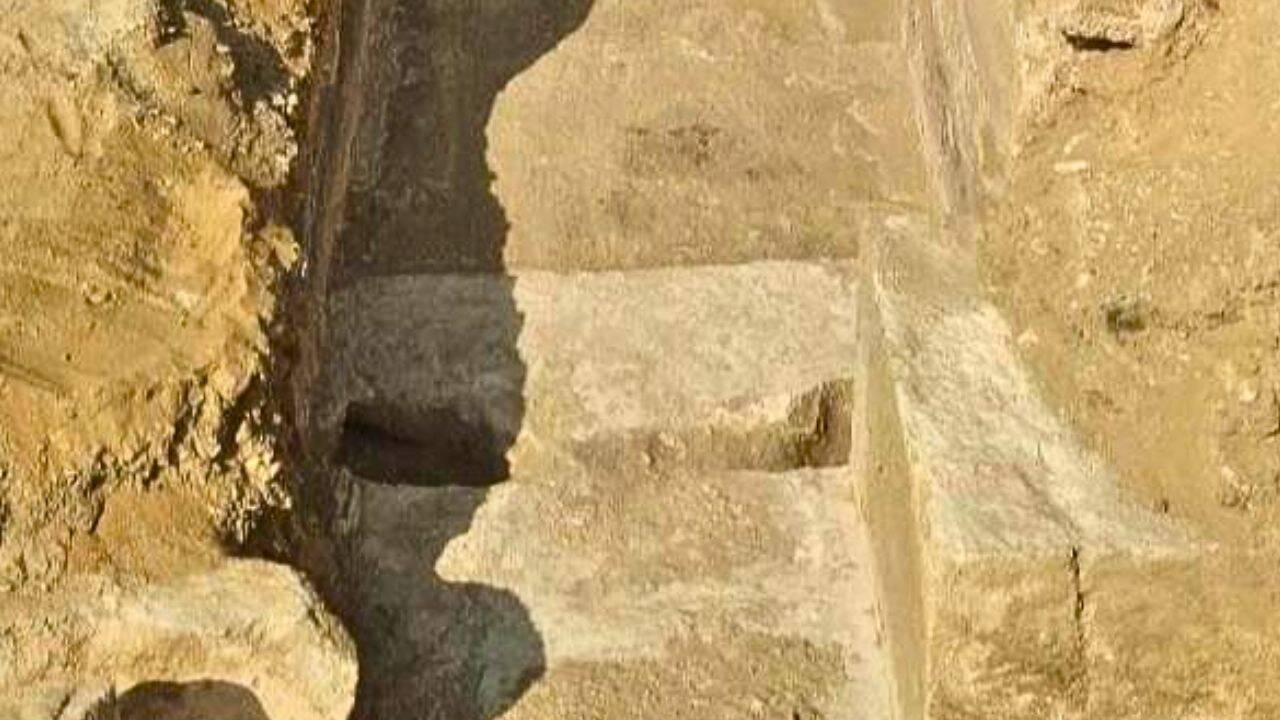
Egyptian archaeologists have uncovered an important burial site at Saqqara, one of the country's most significant archaeological zones, located near Cairo. The tomb belongs to Sekhentyu-Ptah, whose inscriptions indicate he held prominent positions in ancient Egyptian society. The discovery marks a notable addition to the growing body of knowledge about elite burials during the pharaonic period.
The excavation revealed a complex burial network that extends beyond a single chamber. The site includes a funerary chapel, multiple sealed sarcophagi, intricate burial shafts, and a variety of artifacts that provide insights into the burial customs and beliefs of ancient Egypt. The preservation of sealed sarcophagi is particularly significant, as it often allows researchers to study remains and grave goods that have remained undisturbed for millennia.
The Saqqara necropolis, located on the outskirts of Cairo, continues to be a rich source of archaeological discoveries. The site served as a burial ground for pharaohs and high-ranking officials across multiple dynasties. Ongoing excavations at Saqqara have repeatedly yielded substantial finds in recent years, contributing to a deeper understanding of ancient Egyptian civilization, religious practices, and social hierarchies.
Archaeologists indicate that further exploration of the site will provide additional details about burial practices and the historical period in which Sekhentyu-Ptah lived. The complexity of the tomb structure suggests the individual held considerable status and resources during their lifetime, a status reflected in the scale and sophistication of their burial arrangements.