World · India Bureau
Egyptian farmer unearths massive statue of Ramses II during land cultivation
A fortuitous discovery in the Nile Delta has yielded a significant archaeological find: a colossal statue of ancient Egypt's most celebrated pharaoh, Ramses II. Local antiquities authorities have launched an excavation at the site in Behbeit El Hagar, uncovering additional artifacts that shed light on Egypt's classical period.
LSN India ·
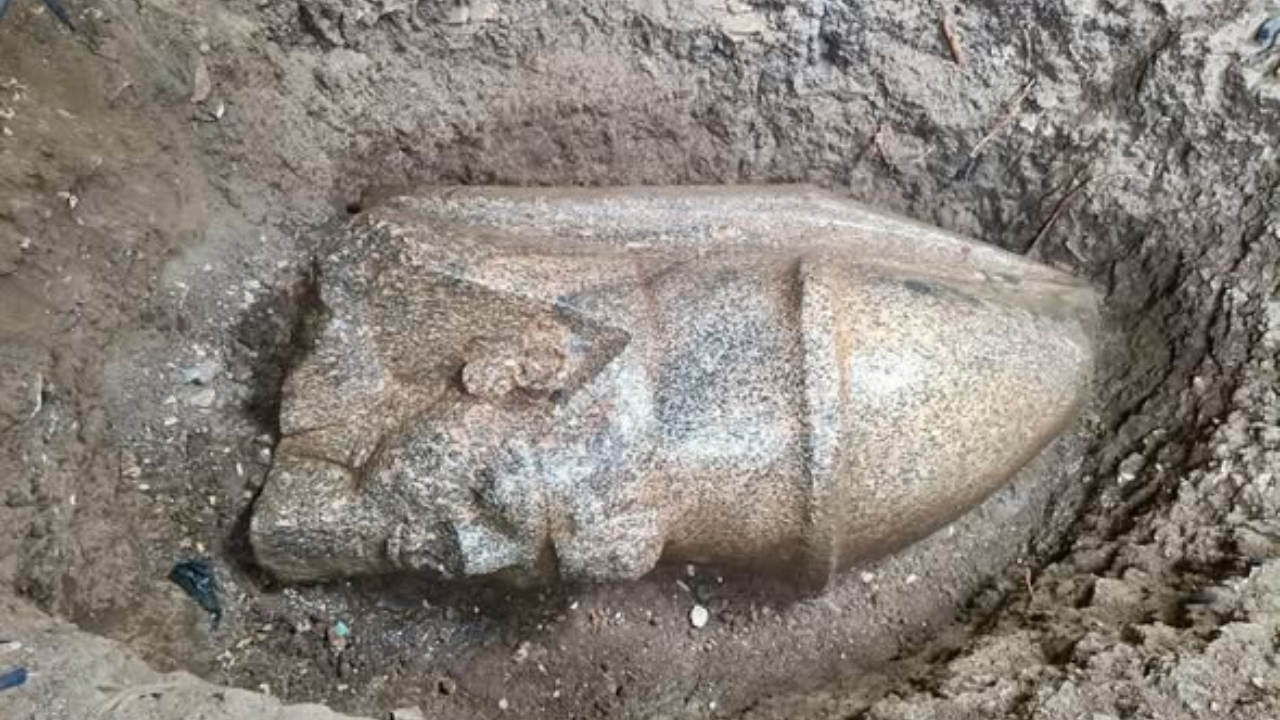
A farmer working his fields in Behbeit El Hagar, located in Egypt's northern Nile Delta region, uncovered the monumental statue while tilling his land. Upon learning of the discovery, local antiquities officials moved swiftly to begin excavation work at the site, recognizing the potential historical significance of the find.
Excavations have revealed a substantial sculptured head of Ramses II, the 13th-century BCE ruler credited with expanding Egypt's territorial dominion and commissioning numerous monumental building projects. Alongside the primary statue, archaeologists recovered several smaller statues bearing hieroglyphic inscriptions, indicating the site may have housed a temple or administrative complex dedicated to the pharaoh.
Ramses II, known in Egyptian history as one of the most prolific builders and longest-reigning monarchs of the New Kingdom period, remains a central figure in understanding ancient Egypt's cultural and political development. The pharaoh is also referenced in biblical and classical historical texts.
Authorities have indicated that the recovered artifacts will undergo further study and conservation. The discovery is expected to provide scholars with additional insights into the construction practices, religious beliefs, and administrative structures of ancient Egypt during its imperial zenith, potentially reshaping current understanding of the Ptolemaic and Ramesside periods.