World · World News Bureau
Eighty years after Nuremberg, Japan grapples with war crimes legacy
As the world marks eight decades since the Nuremberg trials established precedents for prosecuting aggression, Japan's approach to its wartime past remains contentious, highlighting unresolved questions about accountability and historical justice.
LSN World News ·
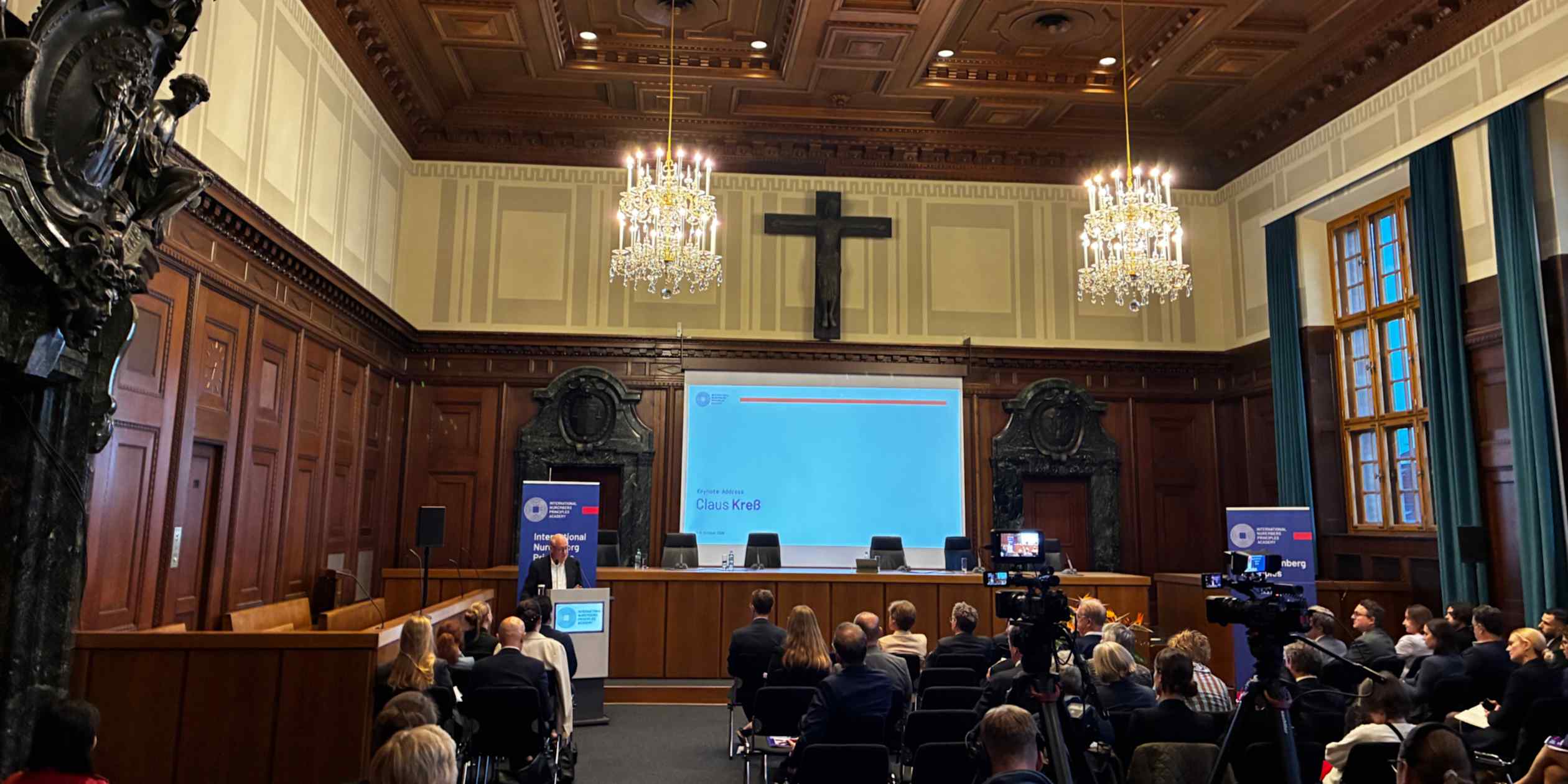
The 1945 Nuremberg tribunal set a watershed moment in international law, establishing that aggressive war constitutes a crime against humanity and that individuals bear responsibility regardless of state orders. Yet eight decades later, Japan's reckoning with its imperial expansion and wartime conduct presents a starkly different narrative from Germany's approach to Nazi-era atrocities.
While Germany systematically confronted its fascist past through education, memorials, and legal proceedings, Japan has taken a more fragmented path. The Tokyo War Crimes Trials prosecuted select military and political leaders, yet debates persist over the scope and adequacy of those proceedings. Competing interpretations of historical events—from territorial disputes to contested accounts of wartime aggression—continue to shape diplomatic tensions across Asia.
Scholar and policymakers argue that the Nuremberg precedent remains incompletely applied globally. Japan's regional conflicts with China, Korea, and Southeast Asian nations over historical narratives suggest that unfinished business from World War II continues affecting contemporary international relations. Educational curricula, official apologies, and historical commemoration remain flashpoints between Tokyo and neighbouring capitals.
The gap between the universal principles articulated at Nuremberg and their uneven application underscores how justice in wartime remains contested. For Asia's security architecture, reconciling these historical tensions remains essential to building durable regional stability and ensuring that the Nuremberg tribunal's foundational commitments—accountability, deterrence, and prevention—genuinely shape policy.