World · India Bureau
Ekadashi Shraddha Observed Today; Ritual Guidelines and Timings Explained
Ekadashi Shraddha holds particular significance during the Pitripaksh period, observed for ancestors who passed away on the eleventh lunar day. Devotees also observe the Indira Ekadashi fast on this auspicious occasion.
LSN India ·
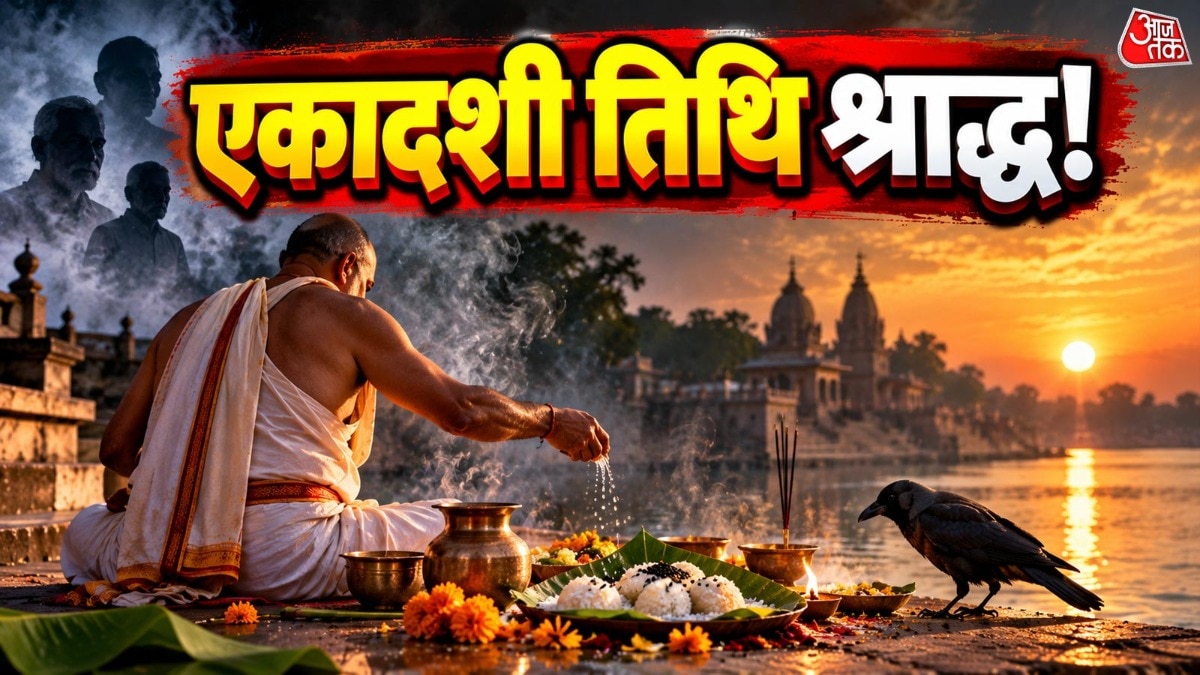
The Ekadashi Shraddha, a key observance during Pitripaksh, is being performed today across India. This ritual is specifically conducted for deceased ancestors whose death fell on the Ekadashi tithi—the eleventh lunar day—in either the waxing or waning phases of any month.
During Pitripaksh, the Hindu calendar's fortnight dedicated to honoring departed ancestors, Ekadashi Shraddha carries special spiritual importance. Devotees perform Pind Daan, the ritual offering of rice balls, and Tarpan, the ceremonial oblation of water, to appease the souls of their forebears. These rites are believed to provide solace to ancestors and ensure their peace in the afterlife.
Today's observance also marks the occasion of Indira Ekadashi, when many devotees undertake a full-day fast as part of their spiritual practice. The timing of rituals is considered crucial; practitioners typically perform the ceremonies during auspicious hours determined by the lunar calendar and local astronomical calculations.
Those observing Ekadashi Shraddha are advised to consult local pandits or religious calendars for precise timings in their region, as ritual schedules vary based on geographic location and regional traditions. The observance underscores the deep-rooted Hindu custom of maintaining a spiritual connection with ancestors through periodic rituals and remembrance.