World · Sri Lanka Bureau
El Niño conditions threaten Sri Lanka's coral reefs and marine ecosystems
Rising ocean temperatures linked to El Niño weather patterns are posing significant risks to coral reef systems and marine habitats across the Indian Ocean region. Environmental scientists warn that prolonged thermal stress could devastate fish populations and coastal biodiversity.
LSN Sri Lanka ·
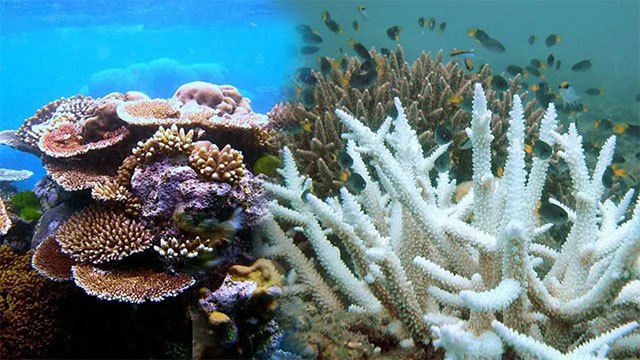
El Niño conditions currently affecting global climate patterns are intensifying concerns among marine conservation experts about the vulnerability of coral reef systems in waters surrounding Sri Lanka. The phenomenon, characterized by abnormally warm ocean temperatures, creates thermal stress that threatens the delicate balance of marine ecosystems dependent on stable environmental conditions.
Coral bleaching events, triggered by elevated water temperatures, represent one of the most visible consequences of El Niño conditions. When corals experience prolonged heat stress, they expel the symbiotic algae responsible for their coloration and nutrition, leaving behind white skeletal structures. Sri Lanka's extensive coral formations, which support diverse fish species and provide crucial coastal protection, face heightened vulnerability during such climatic events.
Beyond coral systems, El Niño-driven temperature changes disrupt broader marine habitats and fish breeding cycles. Altered ocean conditions affect nutrient distribution, food chain dynamics, and migration patterns of commercially important fish species. This cascading effect threatens both marine biodiversity and the livelihoods of fishing communities dependent on stable marine resources.
Conservation authorities in the region are closely monitoring ocean temperature fluctuations and implementing protective measures where feasible. Long-term climate patterns suggest that such warming events may become more frequent, underscoring the urgency of developing resilience strategies for Sri Lanka's marine ecosystems and coastal populations.