World · World News Bureau
El Niño-driven wildfires blanket Southeast Asia in toxic haze
Intensifying El Niño conditions have sparked widespread wildfires across Southeast Asia, creating hazardous air quality that has affected millions of people. Health authorities report more than 12,000 children are experiencing respiratory complications from exposure to the smoke.
LSN World News ·
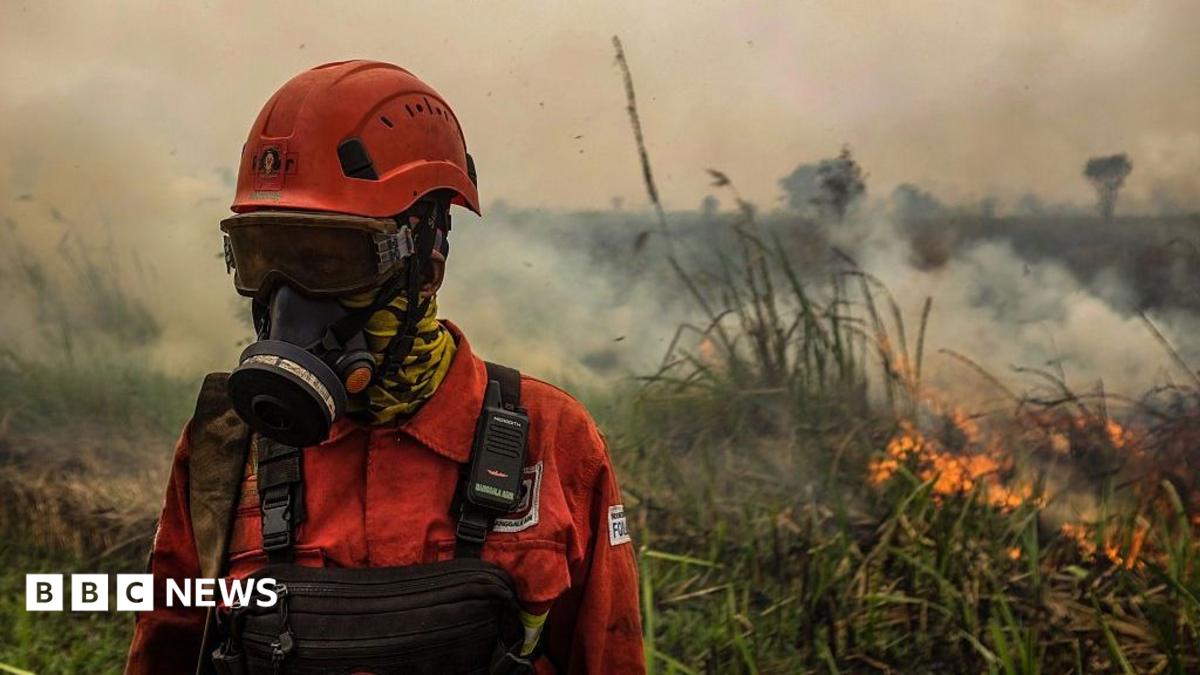
Southeast Asia faces a mounting public health crisis as a strengthening El Niño pattern fuels extensive wildfires, blanketing the region in dense, toxic haze. The weather phenomenon has created ideal conditions for fires to spread and persist across multiple countries, with smoke drifting far beyond burn zones and affecting air quality across vast populations.
Millions of residents have been exposed to hazardous smog levels, with vulnerable groups bearing the brunt of health impacts. Medical facilities have documented more than 12,000 cases of respiratory distress among children, indicating the severity of air pollution exposure affecting the region's youngest residents.
The current El Niño event has been characterized as exceptionally strong, intensifying drought conditions that elevate wildfire risk. Authorities are monitoring conditions closely as smoke continues to affect major population centers, with health advisories in place to protect residents from prolonged exposure to contaminated air.
The crisis underscores the broader climate vulnerability of Southeast Asian nations and the interconnected nature of environmental challenges in the region, with transboundary pollution from wildfires complicating response efforts across affected areas.