World · World News Bureau
El Niño effect could suppress Atlantic hurricane season this year
For the first time in 30 years, September passed without a single Atlantic hurricane, marking a dramatic shift in seasonal patterns. The phenomenon has been linked to the strengthening El Niño weather system affecting global climate conditions.
LSN World News ·
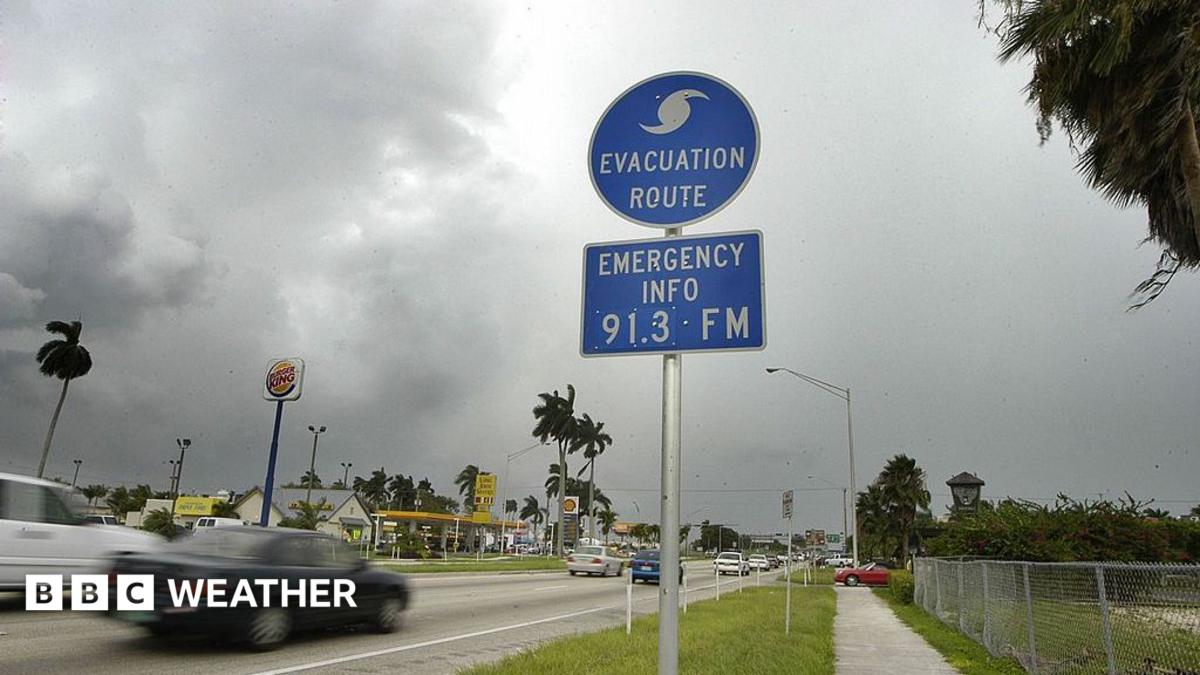
September's historically anomalous quiet comes as a stark contrast to typical weather patterns in the Atlantic basin, where the month usually sees intense tropical cyclone activity. The absence of hurricanes during what is traditionally the peak month of the Atlantic hurricane season represents an unprecedented break in three decades of continuous September storm activity.
Scientists have attributed the unusual lull to the effects of El Niño, the cyclical ocean-atmospheric phenomenon characterized by warmer-than-normal sea surface temperatures across the equatorial Pacific. The warm Pacific conditions generate atmospheric circulation patterns that suppress hurricane development in the Atlantic by increasing wind shear and creating unfavorable conditions for tropical storm formation.
While September's hurricane-free status is notable, forecasters remain cautious about predictions for the remainder of the Atlantic season, which officially runs through November. The strengthening El Niño effect could continue to suppress storm development in coming weeks, though secondary factors including sea surface temperatures in the Atlantic itself will continue to influence overall seasonal activity.
The potential for a below-average Atlantic hurricane season comes as a relief to coastal communities across the eastern seaboard and Caribbean islands, regions that face significant risk during active storm years. Residents and emergency management officials are monitoring updated forecasts as meteorological conditions continue to evolve.