Business · India Bureau
El Niño poses threat to India's winter crop output in rainfed areas
India's agriculture secretary has warned that the upcoming rabi season faces significant challenges from El Niño weather patterns, particularly in rainfed regions where crop production could be severely impacted. The alert comes as officials prepare strategies to address both excess moisture and drought stress across different states.
LSN India ·
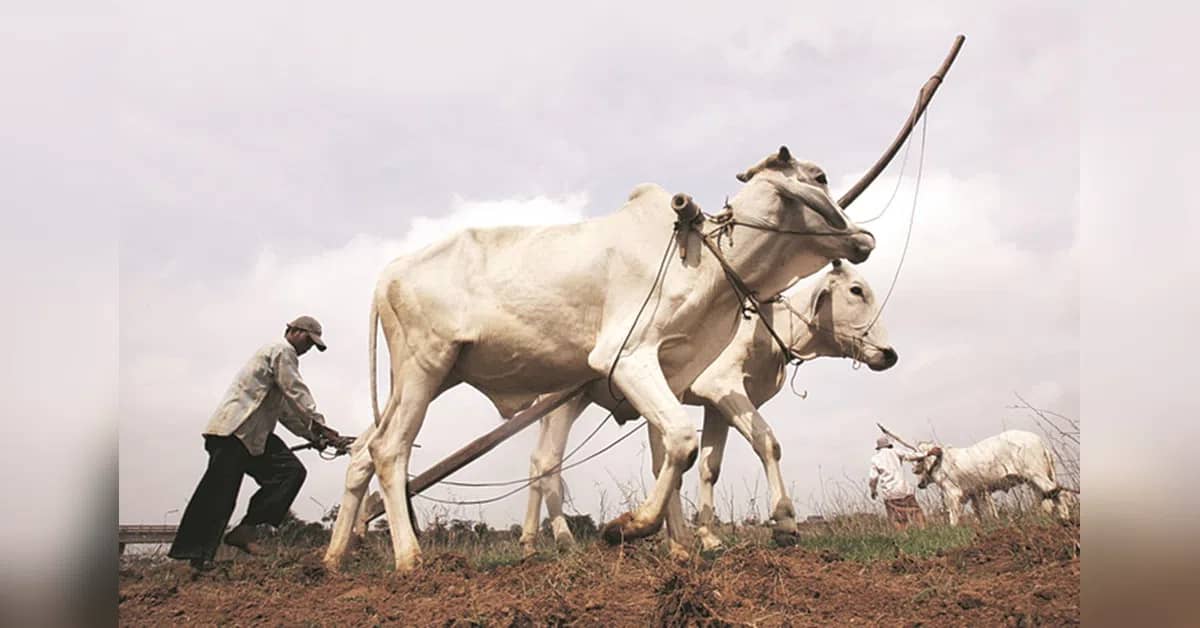
India's agricultural output during the winter rabi season is likely to face considerable headwinds from the El Niño weather phenomenon, particularly in rainfed farming areas, according to Agriculture Secretary Atish Chandra. Speaking at a national conference on rabi preparedness, Chandra cautioned that foodgrain production could be substantially affected as the season approaches, following an already challenging kharif harvest period.
The kharif season just concluded witnessed significant difficulties in rainfed regions, with several states struggling to achieve adequate crop coverage and ensure crop survival through the growing period. As sowing of rabi crops such as wheat and mustard typically begins in October, officials are now grappling with the prospect of similar stress conditions recurring during the winter months.
Chandra highlighted the divergent challenges that may emerge across different regions. While some states could face problems associated with excess soil moisture, others experiencing deficient rainfall will likely endure prolonged periods of agricultural stress. He emphasized that strategies for the rabi season need to be carefully calibrated to address these varied conditions.
The agriculture secretary acknowledged climate change as an established reality that requires sustained attention in agricultural planning and management. The warnings underline the Indian government's recognition that weather volatility poses an ongoing threat to domestic food security and farmer livelihoods.