Politics · India Bureau
El Niño threat looms over global food prices heading into 2027
Global food prices face upward pressure in 2027 as El Niño weather patterns combine with rising agricultural input costs. Experts warn the full impact of climate disruptions will materialise gradually throughout the year.
LSN India ·
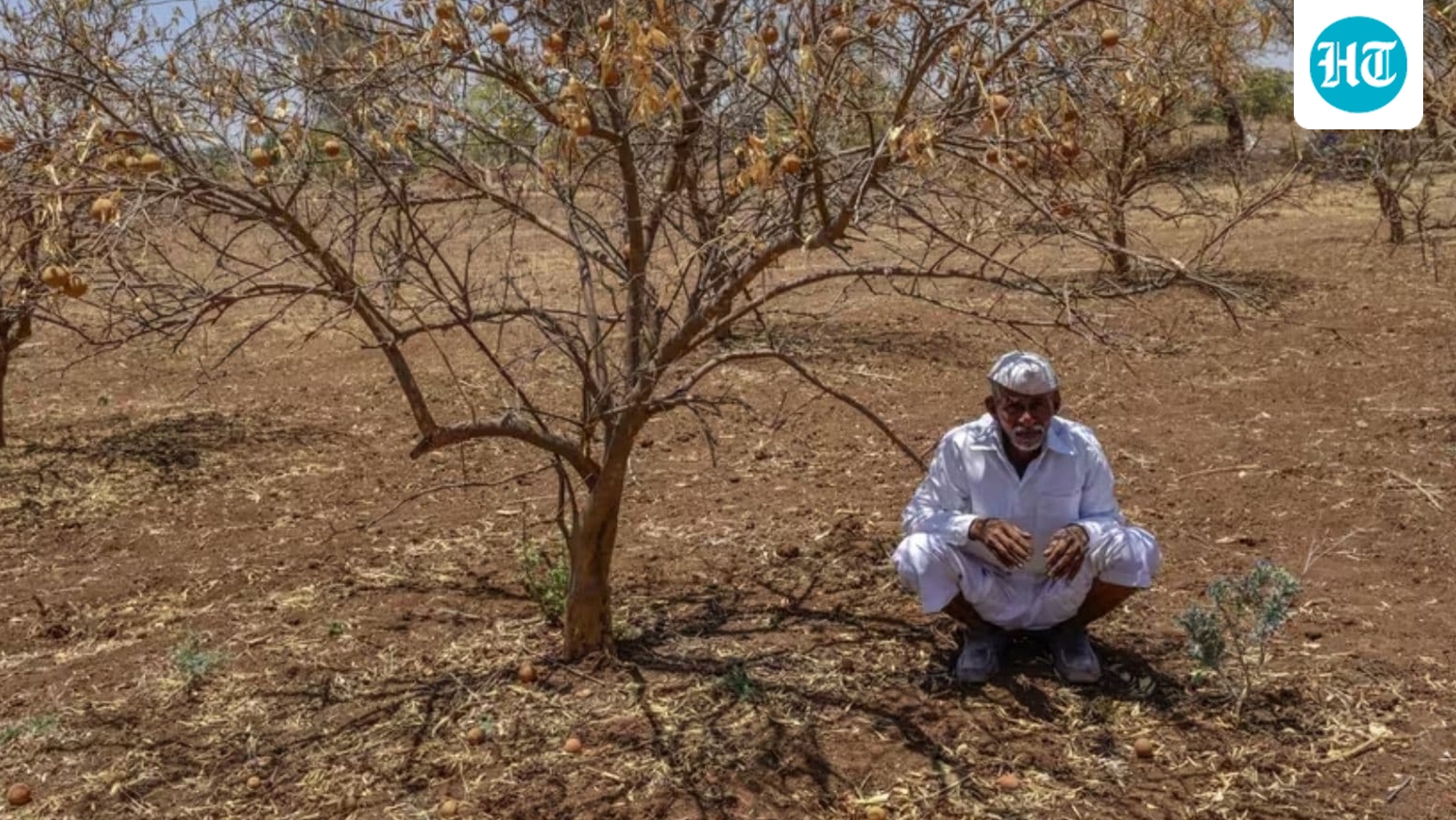
Food price inflation poses a significant risk to consumers across Asia and beyond as multiple economic pressures converge in 2027. The anticipated El Niño phenomenon, combined with persistently elevated fertiliser and farming costs, threatens to disrupt agricultural production on a global scale, potentially driving up the cost of staple commodities.
El Niño episodes typically trigger weather volatility across major grain-producing regions, affecting yields of rice, wheat, and other crops critical to food security in South and Southeast Asia. The cyclical climate pattern increases the likelihood of droughts in some regions while intensifying rainfall in others, complicating harvests and reducing supply stability.
Rising input costs compound the challenge facing farmers already grappling with elevated production expenses. Fertiliser prices remain elevated, while labour, energy, and logistics costs continue pressuring agricultural margins. These structural cost increases are expected to persist through 2027, limiting farmers' ability to absorb productivity shocks.
Analysts caution that food price impacts will not materialise uniformly but will emerge incrementally as the year progresses. Market conditions will likely reflect the severity of El Niño's manifestation and the extent of weather-related crop damage. Policymakers across the region are increasingly focused on stabilising domestic food supplies and managing inflation expectations among consumers dependent on imported foodstuffs.