Business · Singapore Bureau
El Niño threatens to slash ASEAN crop yields by up to 10%
A new study warns that strengthening El Niño conditions over the coming years could significantly damage agricultural productivity across Southeast Asia. The region's food security and farming communities face mounting risks from the climate pattern's impact on crop production.
LSN Singapore ·
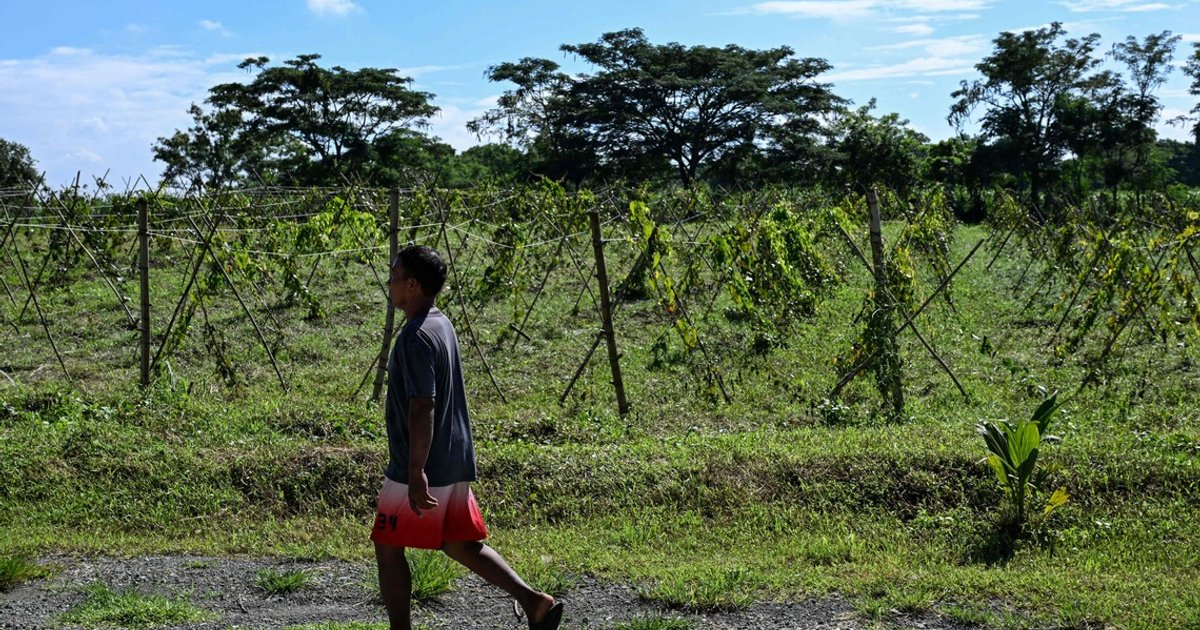
Research into El Niño's effects on ASEAN agriculture has revealed potentially severe consequences for the region's food systems, with crop yields expected to decline by as much as 10 percent during stronger El Niño episodes.
The study underscores the vulnerability of Southeast Asia's farming sector to climate oscillations, particularly the warm ocean temperatures and altered rainfall patterns associated with El Niño. Key agricultural areas across the region, which supply both domestic consumption and export markets, could experience reduced productivity during the coming years as the climate pattern intensifies.
El Niño typically brings drought conditions to parts of Southeast Asia, reducing water availability for irrigation and stressing crops during critical growing periods. The anticipated strengthening of the phenomenon poses risks for staple crops including rice, corn, and vegetables that form the foundation of the region's food supply.
The findings suggest that ASEAN nations may need to strengthen agricultural adaptation strategies, including drought-resistant crop varieties, improved water management systems, and enhanced weather forecasting capabilities. Regional cooperation on food security measures could help mitigate the economic and social impacts of reduced harvests on farming communities across South and Southeast Asia.