World · World News Bureau
El Niño to bring warmer, wetter conditions across region this winter
Meteorological agencies are forecasting significant shifts in winter weather patterns across South and Southeast Asia, with El Niño expected to deliver warmer temperatures and increased rainfall. The climate phenomenon is set to reshape seasonal conditions across multiple countries in the coming months.
LSN World News ·
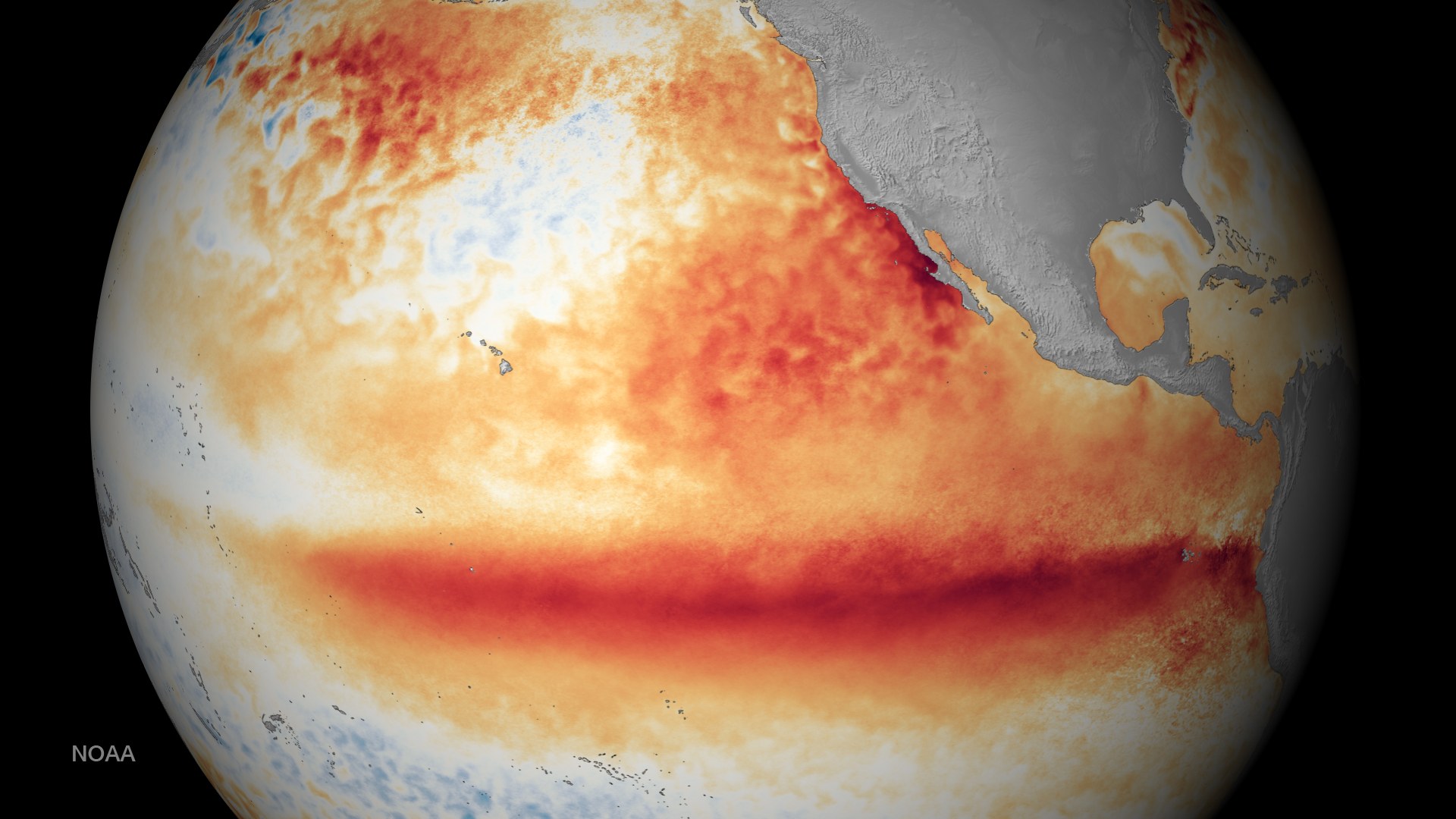
Weather forecasters across the region are preparing populations for a notably warmer and wetter winter season, driven by the strengthening El Niño conditions currently developing in the Pacific Ocean. The cyclical climate pattern, characterized by warming ocean temperatures, is projected to influence atmospheric circulation systems that will directly impact precipitation and temperature distribution throughout South and Southeast Asia.
El Niño's effects are expected to vary significantly by location, with some areas experiencing above-average rainfall while others may see shifts in traditional precipitation patterns. Mountain regions, coastal areas, and lowland plains are anticipated to experience different intensities of the phenomenon, requiring localized preparedness measures from governments and communities.
Agricultural sectors across the region are closely monitoring forecasts, as winter weather patterns directly influence crop yields and water availability for irrigation. Farmers are being advised to adjust planting schedules and water management strategies in anticipation of the altered seasonal conditions.
Authorities in affected nations are urging residents and businesses to prepare for potential flooding in vulnerable areas, while also considering water conservation measures in regions where rainfall patterns may become irregular. Early warning systems have been activated to monitor developing conditions throughout the season.
Photo: Satellite sea-surface temperature departures during the strong 2015 El Niño, October 2015. NOAA via Wikimedia Commons (public domain).