Politics · India Bureau
Election Commission faces mounting pressure for institutional reform
India's electoral watchdog requires urgent structural changes to preserve its credibility and operational independence. Experts warn that without reform, the institution risks compromised election management.
LSN India ·
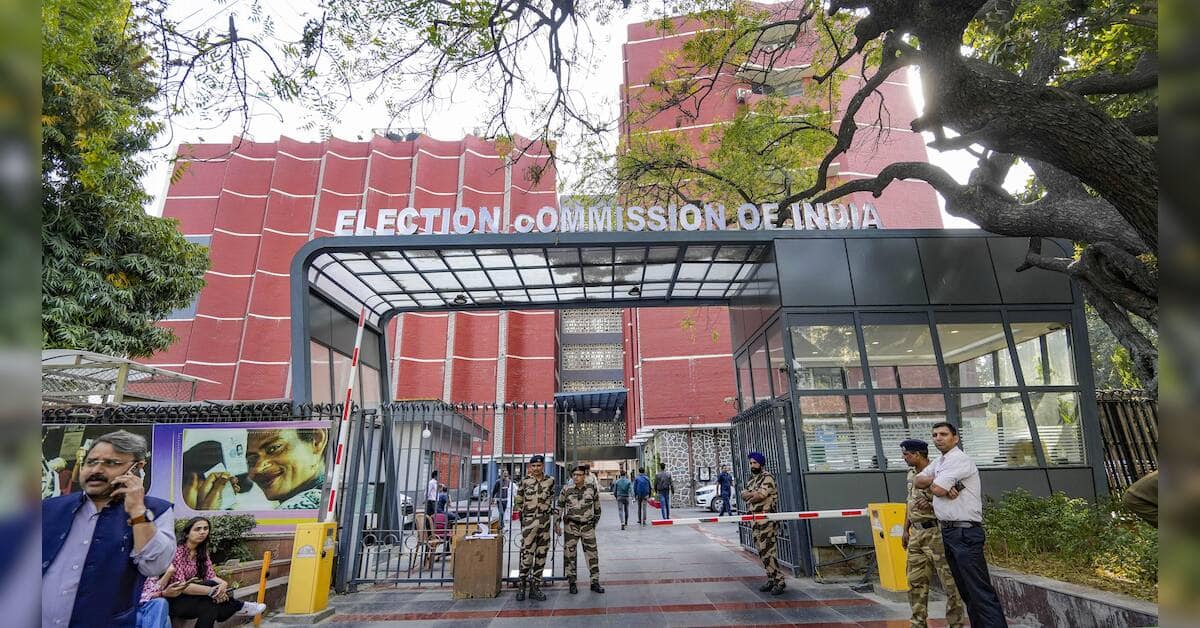
The Election Commission of India stands at a critical juncture, with growing calls from governance experts and civil society for comprehensive institutional reform. The pressure reflects concerns that the commission's operational autonomy and decision-making capacity have been progressively constrained, raising questions about its ability to conduct elections with complete impartiality.
Key areas flagged for overhaul include the commission's administrative structure, resource allocation mechanisms, and safeguards against external influence. Critics argue that the current framework leaves the institution vulnerable to political pressure and bureaucratic interference, undermining its foundational role as an independent custodian of electoral integrity.
Proponents of reform emphasize that strengthening the Election Commission's independence would benefit all stakeholders in the democratic process. They point to successful models in other democracies where electoral bodies operate with robust constitutional protections and dedicated funding streams insulated from political cycles.
The commission has historically played a stabilizing role in India's electoral ecosystem, but observers warn that without timely institutional reform, its effectiveness could be further eroded. Policymakers face mounting expectations to address structural vulnerabilities and restore public confidence in the body's capacity to manage elections fairly and transparently.