Politics · India Bureau
Election Commission faces scrutiny over governance lapses during voter revision
An investigation has revealed significant institutional discord at India's Election Commission, with two Election Commissioners raising objections 14 times over a 10-month period as major decisions proceeded without their knowledge. The governance concerns carry implications for West Bengal's upcoming state elections, where over 27 lakh voters were removed from electoral rolls.
LSN India ·
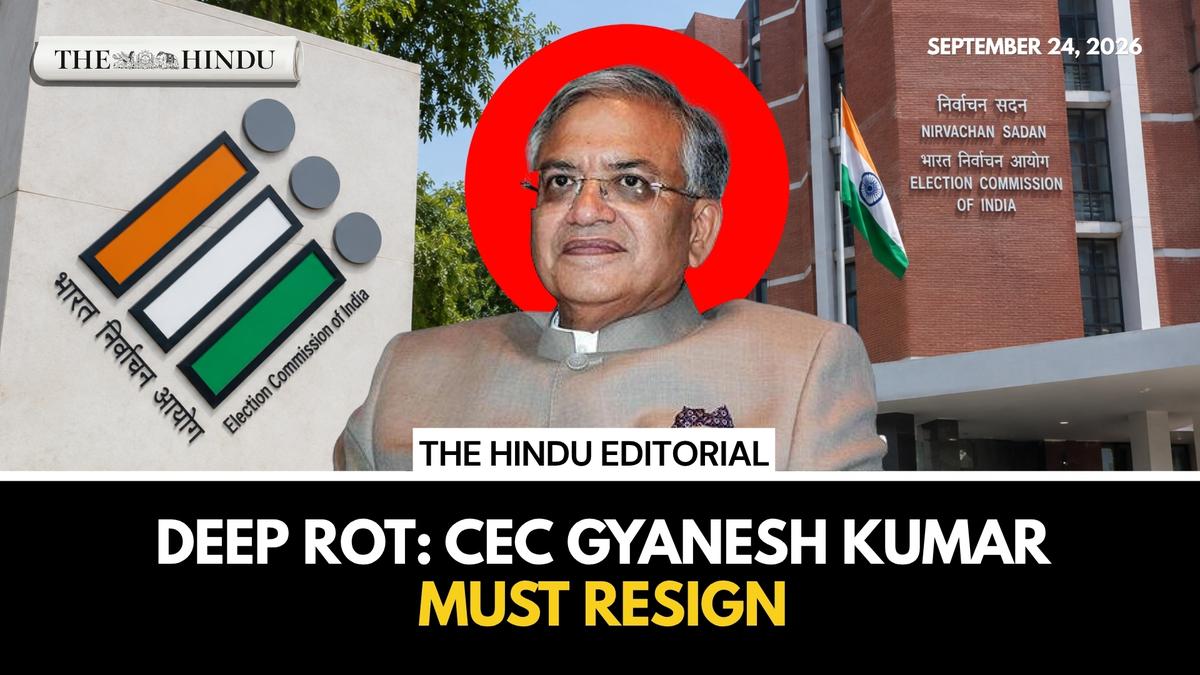
India's Election Commission of India (ECI) has come under scrutiny for procedural irregularities during its Special Intensive Revision (SIR) of electoral rolls, according to an investigation that has exposed deep institutional friction at the apex poll-conducting body. Two Election Commissioners registered formal objections on record at least 14 times across a 10-month period, with significant policy decisions being implemented without their knowledge or consensus, raising questions about the Commission's decision-making structures and accountability mechanisms.
The investigation identified multiple areas of contention, including disputes over Form 6 procedures, controversies surrounding the centralization of the ERONet system, and broader governance concerns during the revision process. These procedural questions assume heightened significance given that West Bengal witnessed the deletion of approximately 27 lakh voters from electoral rolls during this period, ahead of the state's assembly elections. Electoral roll accuracy and the transparency of voter deletion procedures are critical to maintaining democratic processes and public confidence in electoral management.
The systematic nature of the objections—spanning multiple commissioners and a sustained period—suggests structural issues in how the ECI's top leadership coordinates on major policy decisions. The instances where decisions proceeded without the knowledge of sitting Election Commissioners point to potential gaps in institutional consultation protocols and decision-making transparency. These findings come at a time when electoral credibility and the fairness of voter registration processes remain subjects of significant public attention across India.
The ECI's functioning during this period will likely face renewed scrutiny from political stakeholders, civil society organizations, and electoral watchdog groups, particularly given the direct impact on voter rolls in a major state. The investigation underscores broader questions about institutional governance within India's electoral machinery and the mechanisms that ensure all commissioners participate meaningfully in policy decisions affecting the electoral process across the country.