Politics · India Bureau
Election Commission institution, not person: Ex-SC justice
A former Supreme Court judge has emphasized that the Election Commission functions as an institutional body rather than an individual entity, and therefore cannot claim special privileges. The remarks invoke historical concerns about electoral integrity raised during India's constitutional framing.
LSN India ·
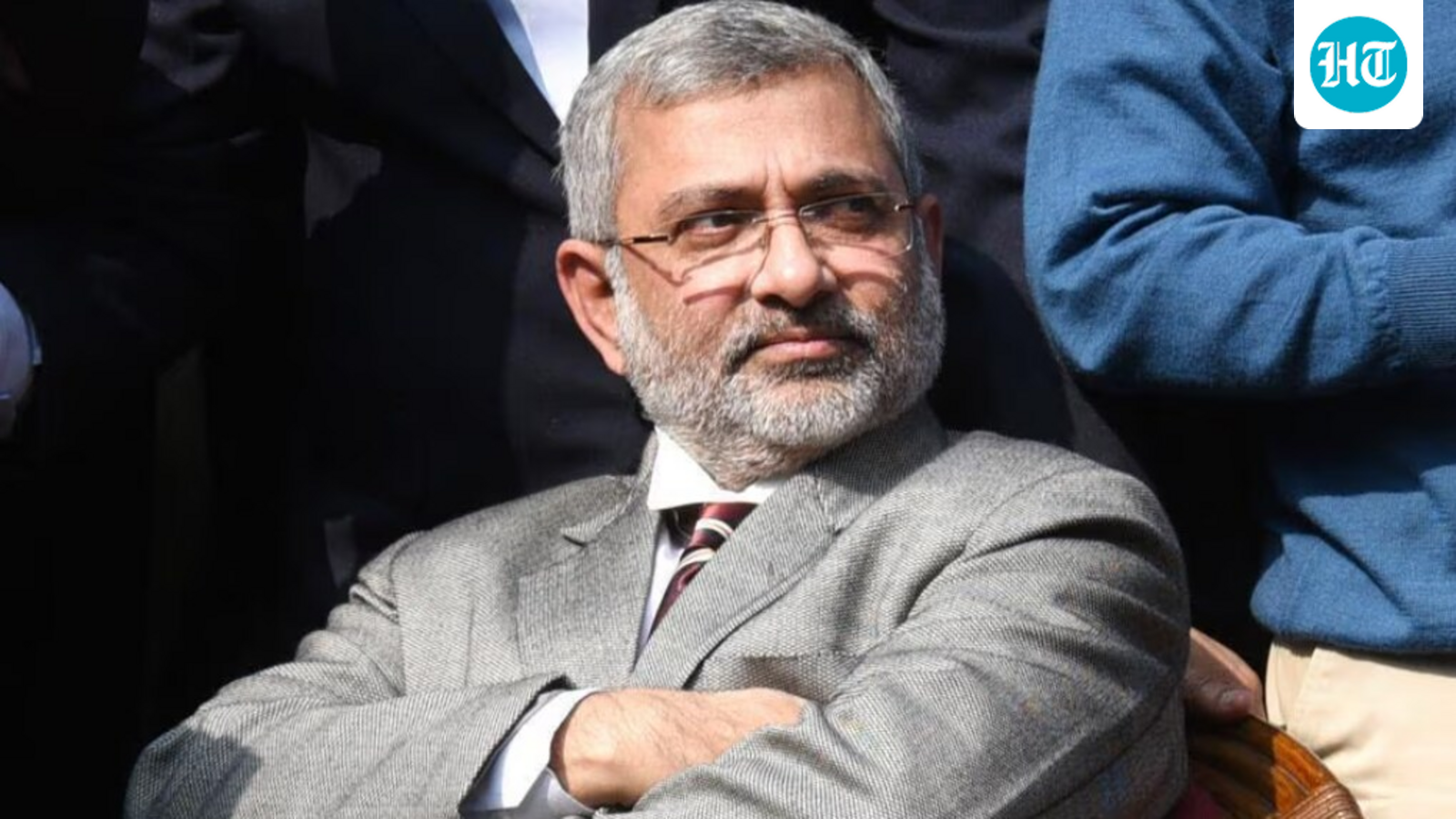
The Election Commission of India operates as an institution bound by constitutional principles and cannot enjoy exemptions or special treatment beyond its defined mandate, according to Justice K M Joseph, a retired Supreme Court jurist.
In his statement, Justice Joseph drew from the deliberations of India's Constituent Assembly, where framers expressed deep concerns about the personal integrity and ethical conduct of those entrusted with electoral responsibilities. These foundational debates underscored the expectation that election administrators would uphold the highest standards of impartiality and accountability.
The distinction between institutional and individual authority carries significant implications for how the Election Commission exercises its powers and faces public scrutiny. By characterizing the body as an institution rather than a personality-driven office, Justice Joseph emphasized the primacy of constitutional frameworks over individual discretion.
His remarks align with constitutional principles that subordinate all institutions, regardless of their functional importance, to the broader rule of law. The Election Commission's authority derives from the Constitution and remains subject to judicial review and parliamentary oversight, the former judge suggested.
These observations come amid ongoing discussions about institutional independence and accountability in India's electoral processes, particularly regarding the Commission's autonomy in decision-making and its responsiveness to constitutional expectations.