Politics · India Bureau
Election Commission's reforms fall short of addressing systemic weaknesses
The Election Commission's recent reform measures have drawn criticism for failing to tackle fundamental structural issues within the electoral system. Experts say the selective approach leaves significant vulnerabilities unaddressed.
LSN India ·
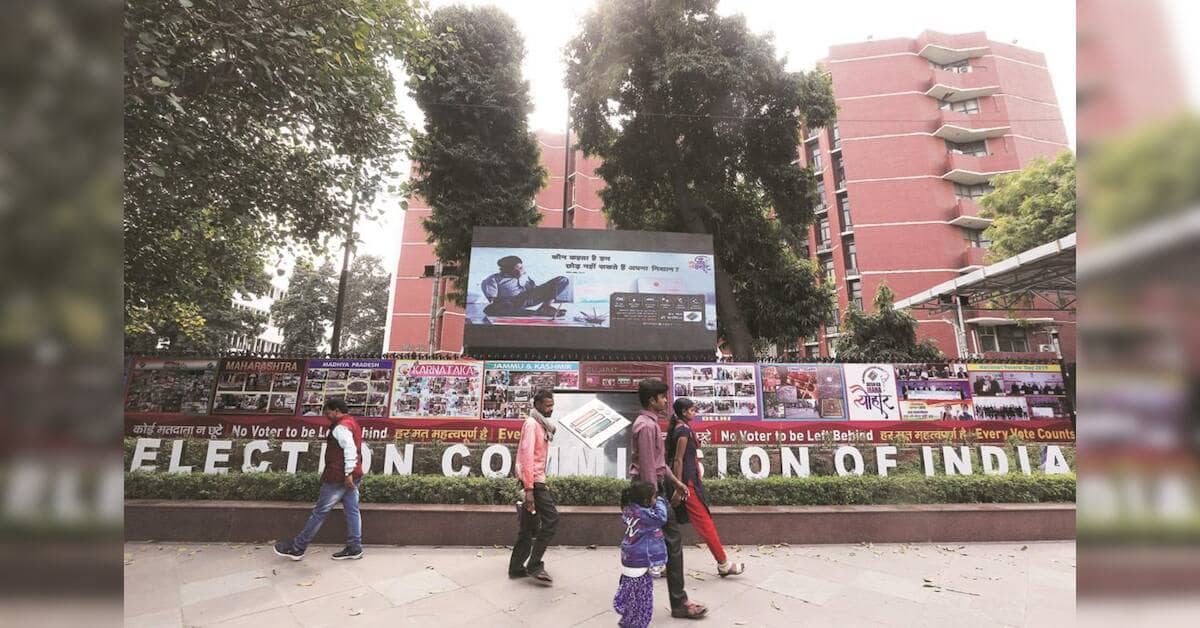
The Election Commission's latest reform initiative has come under scrutiny for its limited scope, with observers noting that key systemic weaknesses remain unresolved despite opportunities for comprehensive change. The selective nature of the reforms suggests a piecemeal approach that does not adequately address the root causes of electoral challenges identified by analysts and stakeholders.
Critics argue that the Commission has focused on peripheral issues while sidestepping more fundamental structural problems that could undermine the integrity of the electoral process. These gaps raise concerns about whether the reforms will deliver meaningful improvements or merely provide a veneer of change without substantive impact.
The incomplete nature of the reforms has prompted calls from civil society groups and election observers for a more thorough review of the entire system. They contend that a more ambitious reform agenda would be necessary to address longstanding vulnerabilities and strengthen democratic processes.
The Election Commission's decision to pursue selective reforms rather than comprehensive institutional overhaul reflects broader questions about the pace and scope of electoral modernization. As the electoral process remains central to India's democratic functioning, stakeholders are pressing for more decisive action to address systemic deficiencies.