Politics · Sri Lanka Bureau
Electoral Cycles Offer Lesson in Democratic Accountability for Sri Lanka
Political analysts say Sri Lankan leaders should recognize that no electoral mandate provides permanent power, a principle underscored by recent democratic shifts in comparable democracies. Experts warn that ignoring voter sentiment at regular intervals undermines democratic institutions.
LSN Sri Lanka ·
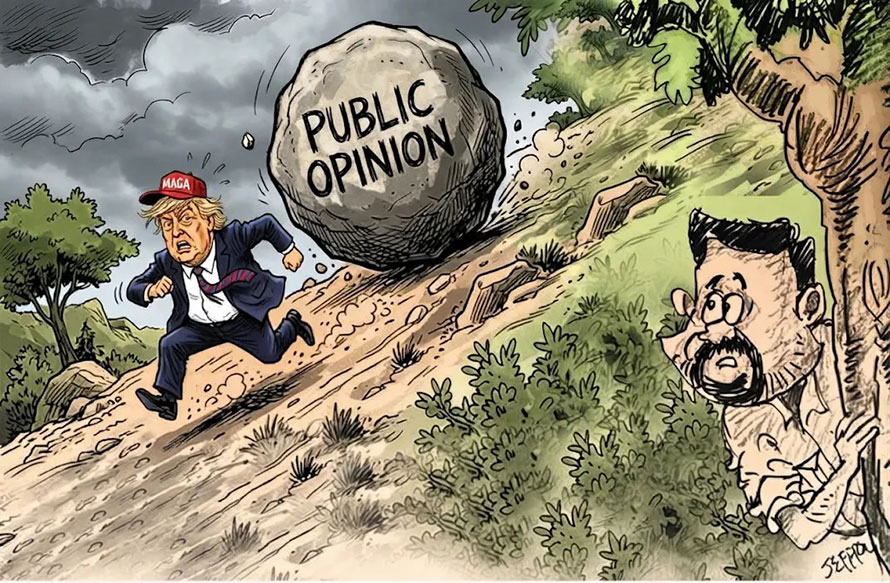
Sri Lankan politicians face an important reminder about the nature of democratic governance: electoral victories, regardless of their scale, do not grant leaders indefinite authority or immunity from public accountability.
This principle has been reinforced through democratic processes in comparable nations, where midterm elections and periodic votes serve as crucial mechanisms for voters to recalibrate their political choices. The cyclical nature of democratic contests ensures that leaders remain responsive to constituent concerns and that no single electoral outcome locks in permanent political dominance.
For Sri Lanka, where democratic institutions have faced periodic strain, the lesson carries particular significance. Political leaders who treat election victories as conferring unchecked power—rather than as provisional mandates requiring continued performance and accountability—risk eroding public confidence in democratic processes. History demonstrates that leaders who dismiss regular electoral feedback often face more severe electoral reversals when voter frustration crystallizes.
The sustainability of democratic governance depends fundamentally on political actors accepting that power remains conditional and temporary. When voters perceive that elected officials view their mandates as permanent or seek to circumvent regular electoral accountability, democratic legitimacy itself becomes vulnerable.
Sri Lankan political parties and leaders would be wise to internalize this principle: democratic longevity comes not from consolidating power after victory, but from demonstrating continued responsiveness to public concerns between elections. The health of democratic institutions ultimately rests on this acceptance that power must be regularly renewed through the democratic process.