World · India Bureau
Electoral process faces scrutiny over candidate quality and voter choice
As election season approaches, stakeholders across South Asia are grappling with questions about the calibre of candidates and the mechanisms that shape voter decision-making. The debate highlights growing concerns about political accountability and electoral integrity.
LSN India ·
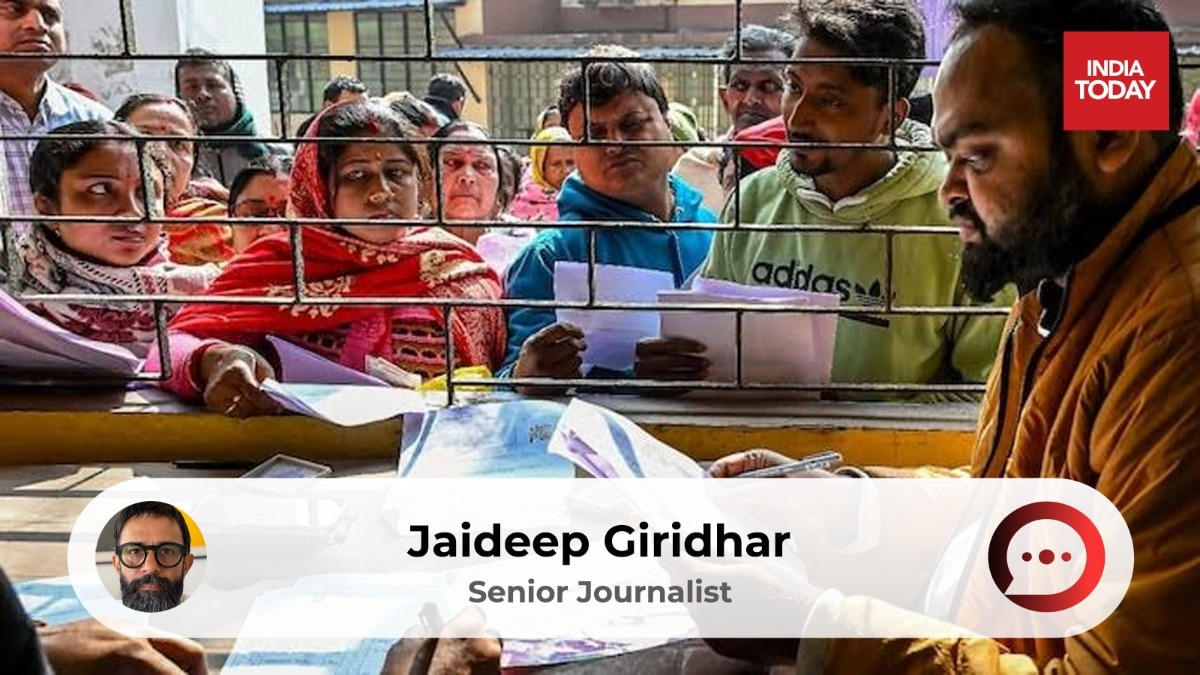
Democratic processes across the region are increasingly under examination as voters and observers assess how candidates are selected and promoted during electoral campaigns. The distinction between substantive policy platforms and superficial messaging has become a focal point for political commentators and civil society organisations seeking to strengthen electoral systems.
Voter behaviour studies suggest that citizens are becoming more discerning in their evaluation of candidates, with many demanding greater transparency regarding candidates' track records, qualifications, and policy positions. Election monitoring groups have noted that the quality of public discourse during campaigns significantly influences voter engagement and confidence in democratic institutions.
Political analysts point to the need for robust mechanisms to ensure that electoral processes reward merit and substantive governance commitments over empty promises. Several organisations have called for enhanced candidate vetting procedures and clearer disclosure requirements to help voters make informed choices.
As the electoral calendar fills across the region, watchdog groups and media outlets continue to emphasise the importance of separating credible candidates from those lacking genuine policy substance. Election commissions in multiple countries have acknowledged these concerns and are exploring ways to improve transparency and voter education initiatives ahead of upcoming polls.