World · India Bureau
Electoral watchdog expands discrepancy categories to 11 across Indian states
India's electoral authorities have significantly broadened the scope of logical discrepancy identification mechanisms in the third phase of scrutiny, introducing 11 distinct categories across multiple states and union territories. The expansion marks a substantial increase from the original four categories first implemented in West Bengal.
LSN India ·
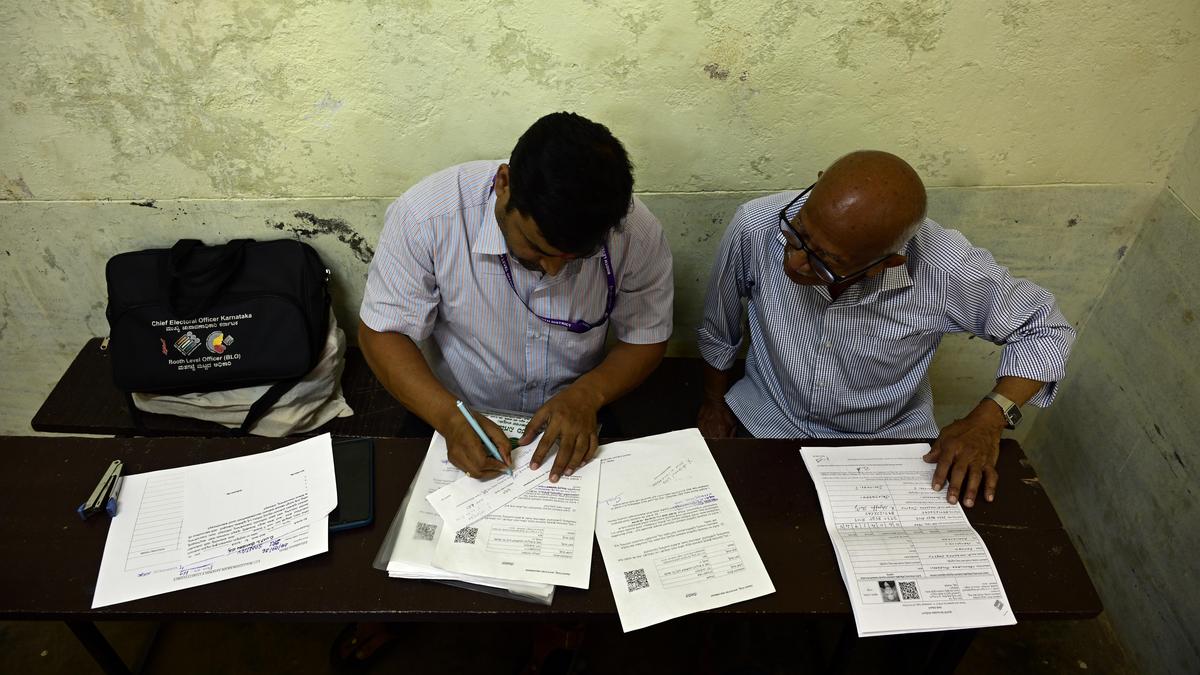
Election officials have widened their framework for identifying and categorizing logical discrepancies in voter rolls, reflecting an evolving approach to electoral data management across India's diverse administrative jurisdictions. The third phase of the Systematic Identification of Registered voters (SIR) process now encompasses 11 distinct categories, up from the four categories that formed the foundation when the system was initially rolled out in West Bengal.
The expansion of discrepancy categories aims to enhance the precision of electoral data verification by capturing a broader range of anomalies and inconsistencies that may indicate errors in voter registration records. These categories have been systematized and applied across various states and union territories, creating a more comprehensive mechanism for maintaining electoral integrity.
The graduated implementation strategy, moving from the initial West Bengal model to a multi-state framework, suggests a calibrated approach to scaling electoral verification systems. Election authorities have evidently refined their identification methodology based on ground-level experience, incorporating new categories of discrepancies that emerged during earlier phases of implementation.
The heightened scrutiny keeps voters engaged with the electoral process, as citizens and election observers monitor the application of these expanded categories across their respective regions. The development underscores ongoing efforts by electoral bodies to standardize and strengthen voter roll management practices nationwide.