World · World News Bureau
Electric vehicle surge in Southeast Asia threatens affordability for mass market
As automakers race to electrify fleets across Southeast Asia, rapidly rising EV prices risk widening the gap between wealthy urban consumers and the region's vast middle and lower-income populations. Industry experts warn that aggressive electrification targets could leave millions of drivers unable to afford cleaner vehicles.
LSN World News ·
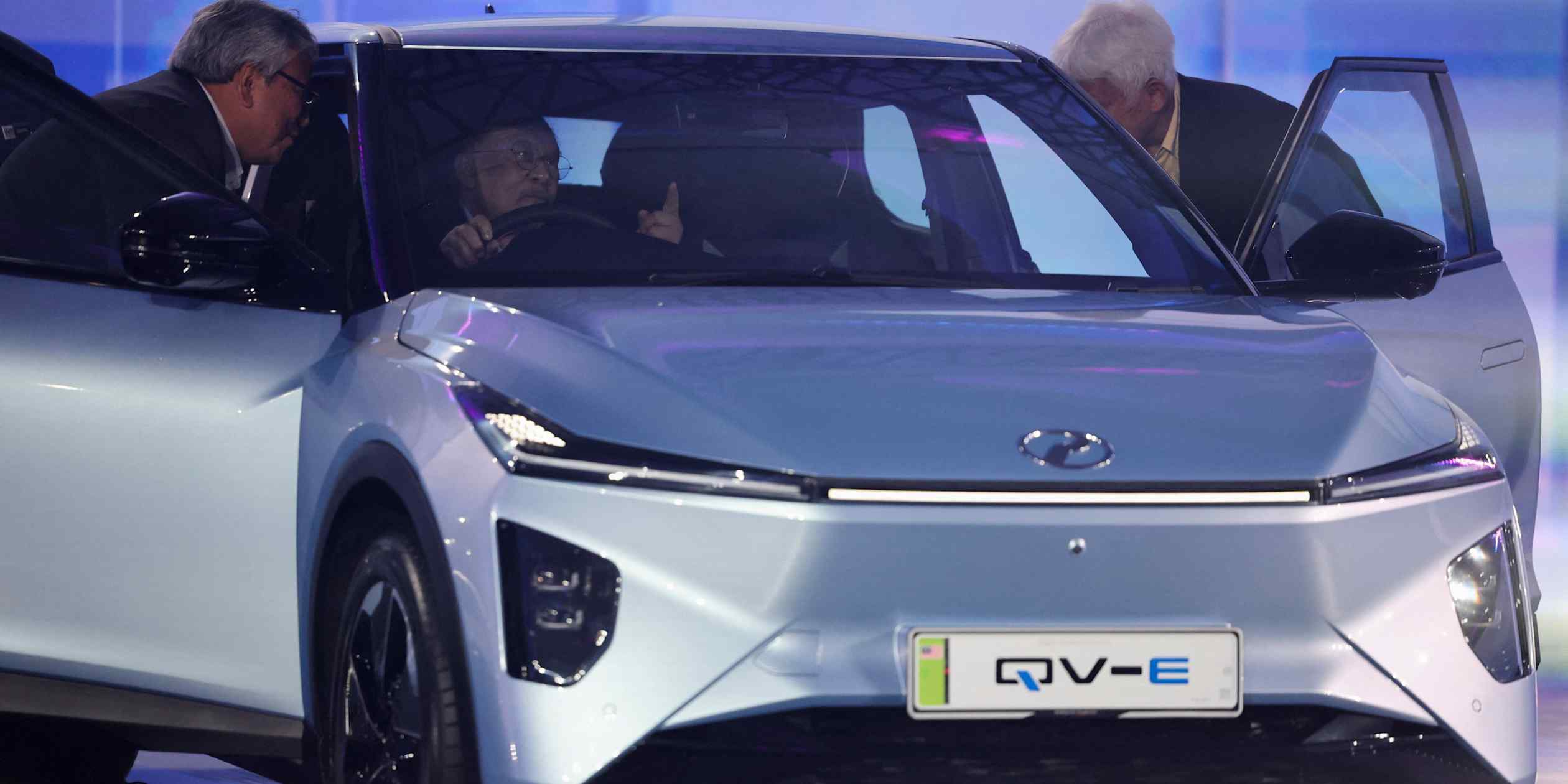
Southeast Asian nations have committed to ambitious electric vehicle adoption targets, with governments offering incentives and manufacturers investing billions in new production facilities. However, the current generation of mass-market EVs remains significantly more expensive than comparable internal combustion engine vehicles, creating a bifurcated market where only affluent buyers can access the technology.
The affordability challenge is particularly acute across Indonesia, Thailand, Vietnam, and the Philippines, where average incomes are substantially lower than developed markets. While battery costs have declined globally, local production infrastructure remains limited, and import tariffs on vehicles and components inflate retail prices. Dealers report strong demand among upper-income segments in major cities, but sales stagnate in secondary markets and rural areas.
Manufacturers argue that economies of scale will eventually lower prices as production volumes increase and local supply chains mature. Several companies have announced plans to develop budget-friendly EV models specifically for Asian consumers over the next three to five years. However, analysts caution that without deliberate policy interventions—including extended tax breaks, subsidized charging infrastructure, and support for affordable model development—the region risks creating a two-tier transportation system.
Government officials and industry leaders acknowledge the equity concerns, with some Southeast Asian authorities exploring schemes to support lower-income vehicle buyers. The success of these initiatives will likely determine whether the region's electrification shift benefits the broader population or reinforces existing economic disparities.